
In this Guide
Quick answer
The best places to travel in September from Australia are Greece and Italy for warm Mediterranean sun, Mauritius and the Cook Islands for dry-season tropical beaches, and Canada or South Korea for autumn scenery, all with fewer crowds and lower prices than peak season.
Wondering where to travel in September from Australia? September is one of the best months for Australians to plan an overseas holiday, offering the perfect balance of pleasant weather and fewer crowds in many popular travel destinations around the world.
Whether you're planning September holidays from Australia around the spring school break, or simply after overseas holidays in September before the end-of-year travel rush, September getaways from Australia offer a genuine advantage: you get summer-adjacent weather in the northern hemisphere and dry-season conditions across the tropics, without paying peak-season prices or fighting peak-season crowds.
With destinations ranging from Mediterranean coastlines and Asian food capitals to Pacific lagoons and national parks, there’s something to suit every type of traveller.

Planning an overseas holiday during September can be the perfect opportunity to swap the end of winter for new experiences, but preparing ahead is important. From checking entry requirements via Smartraveller to organising travel insurance before you take off, a little preparation can help you get the most out of your September getaway.
Destination Comparison at a Glance
Destination Comparison
| Destination | Avg Sept Temp | September Highlights | Best For | Cost |
|---|---|---|---|---|
| Greece | 26–28°C, sea ~24°C | Warm seas, island hopping, fewer crowds | Couples & culture | $$ |
| Italy | 24–27°C, sea ~24°C | Food, wine harvests, historic cities | Foodies & explorers | $$$ |
| Portugal | 23–26°C, sea ~21°C | Beaches, cities, value | European escapes | $$ |
| Canada | 15–20°C (Rockies) | Autumn colours, wildlife, national parks | Nature lovers | $$$ |
| South Korea | 22–26°C | Food, festivals, mild weather | City breaks | $$ |
| Turkey | 25–27°C, sea ~24°C | Beaches, history, Cappadocia | Adventure & culture | $$ |
| Mauritius | 24–25°C, sea ~23°C | Dry season, beaches, marine life | Families & couples | $$$ |
| Cook Islands | 25–26°C, sea ~24°C | Lagoons, snorkelling, island life | Tropical escapes | $$ |
Average temperatures are long-term seasonal norms, not a forecast - check closer to your travel dates.
Flight Times from Major Australian Cities
Flight time is one of the biggest factors in choosing where to go in September from Australia, so here's roughly what to expect from the three busiest departure cities.
Approximate total travel times
| Destination | Sydney | Melbourne | Brisbane | Perth |
|---|---|---|---|---|
| Athens, Greece | 20-24 hrs | 20-24 hrs | 22-26 hrs | 17-21 hrs |
| Rome, Italy | 20-23 hrs | 20-23 hrs | 21-25 hrs | 17-20 hrs |
| Lisbon, Portugal | 23-27 hrs | 23-27 hrs | 24-29 hrs | 20-24 hrs |
| Toronto, Canada | 20-24 hrs | 21-25 hrs | 20-23 hrs | 24-30 hrs |
| Seoul, South Korea | 10-11 hrs | 10-11 hrs | 9-10 hrs | 11-13 hrs |
| Istanbul, Turkey | 19-22 hrs | 19-22 hrs | 20-23 hrs | 16-19 hrs |
| Mauritius | 12-14 hrs | 12-14 hrs | 13-15 hrs | 7-8 hrs |
| Rarotonga, Cook Islands | 7-9 hrs | 8-10 hrs | 8-10 hrs | 13-16 hrs |
Approximate total travel times based on Google Flights route data, including common stopovers where direct flights are unavailable.
Greece: Mediterranean Sunshine Without the Summer Crowds
September is one of the best months to visit Greece, with average air temperatures of 26-28°C and sea temperatures still around 24°C, warm enough for swimming and sailing, but without the peak-season intensity of July and August. As the summer rush eases, the Mediterranean feels noticeably more relaxed while remaining comfortable for exploring the country's islands and historic sites.
The Greek Islands are perfect for island hopping, with destinations such as Crete, Santorini and Milos offering beautiful beaches, ancient ruins and dramatic coastal scenery. Crete is especially rewarding in September, with archaeological sites such as Knossos easier to explore without the peak summer heat or crowds.
September’s calmer seas make island-hopping more enjoyable, and ferry connections still run regularly between major destinations.
Accommodation prices also tend to drop noticeably compared with July and August, particularly outside the most in-demand islands, making it one of the best times to experience the benefits of travelling Greece during the shoulder season.
Italy: Food, Culture and Early Autumn Experiences
September is one of the best months to visit Italy, with average temperatures of 24-27°C and sea temperatures still around 24°C along the coast, comfortable enough for exploring cities on foot, relaxing on the coastline and dining outdoors well into the evening.
One of the biggest reasons to visit Italy in September is the arrival of early autumn, when local markets are filled with fresh seasonal produce and regional food traditions come to life. It’s a great time to explore Italy beyond the famous landmarks and discover the flavours and traditions that make each region unique.
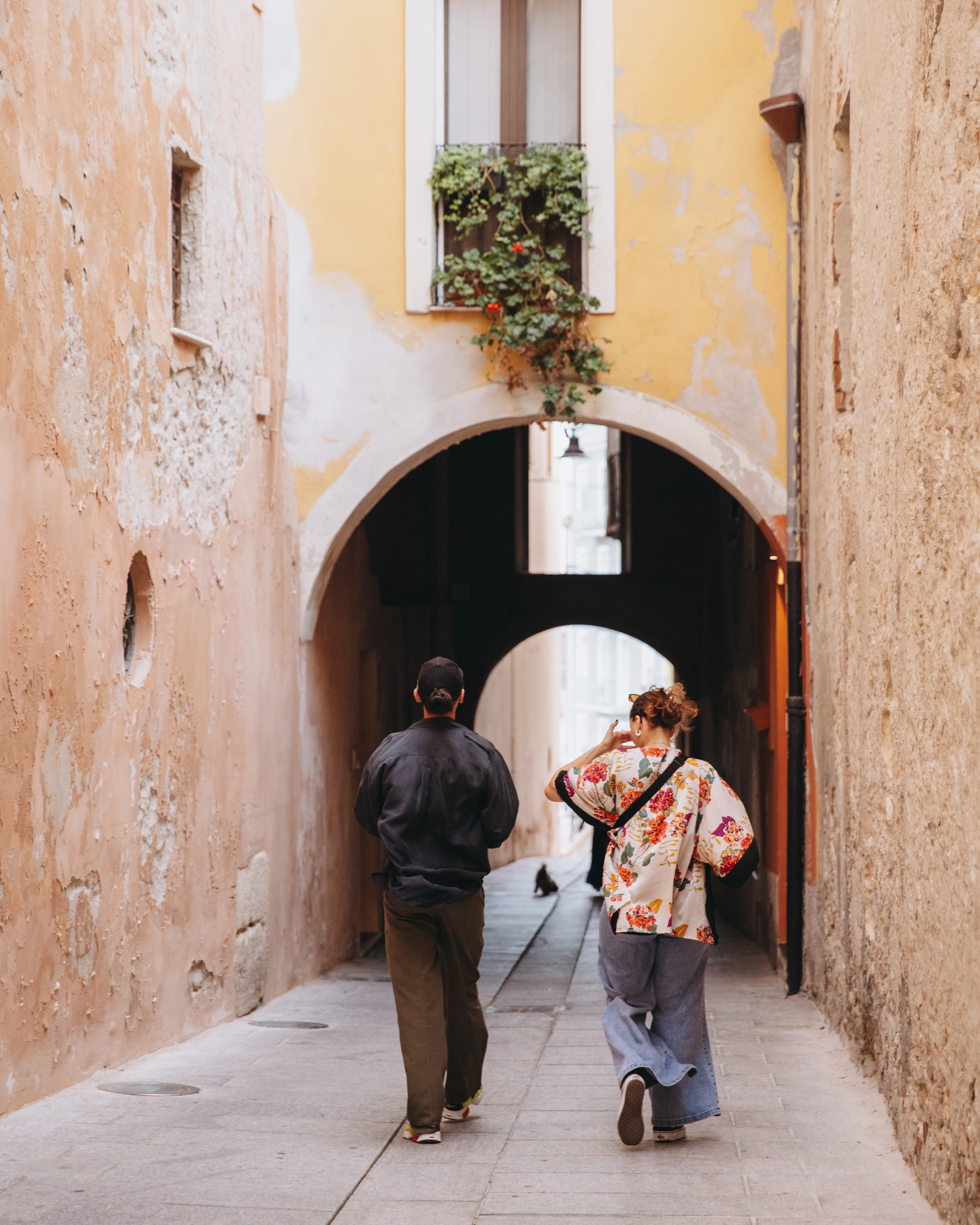
Italy's most-loved cities are noticeably more enjoyable in September. Explore Rome's Colosseum and Roman Forum in milder heat, wander Florence's Renaissance streets, or take in Venice's canals without the peak crowds. For a coastal escape, the Amalfi Coast, Sicily and Puglia still offer warm Mediterranean weather. Cooler conditions also make trails in the Dolomites more comfortable, while drives through Tuscany and Umbria reveal a slower pace of life.

Portugal: Europe’s Underrated September Escape
Usually 15-20% cheaper than Western Europe's bigger hotspots for accommodation and dining, Portugal is one of the best value September destinations if you want your travel budget to go further. September temperatures average 23-26°C, with the Algarve's sea temperature still around 21°C, warm enough for beach days as the busy summer season winds down.
Lisbon is always a highlight, with its colourful neighbourhoods, historic tram routes, and a thriving food scene. Wander through the narrow streets of Alfama, visit the iconic Belém district or sample traditional Portuguese dishes such as pastel de nata straight from the oven.
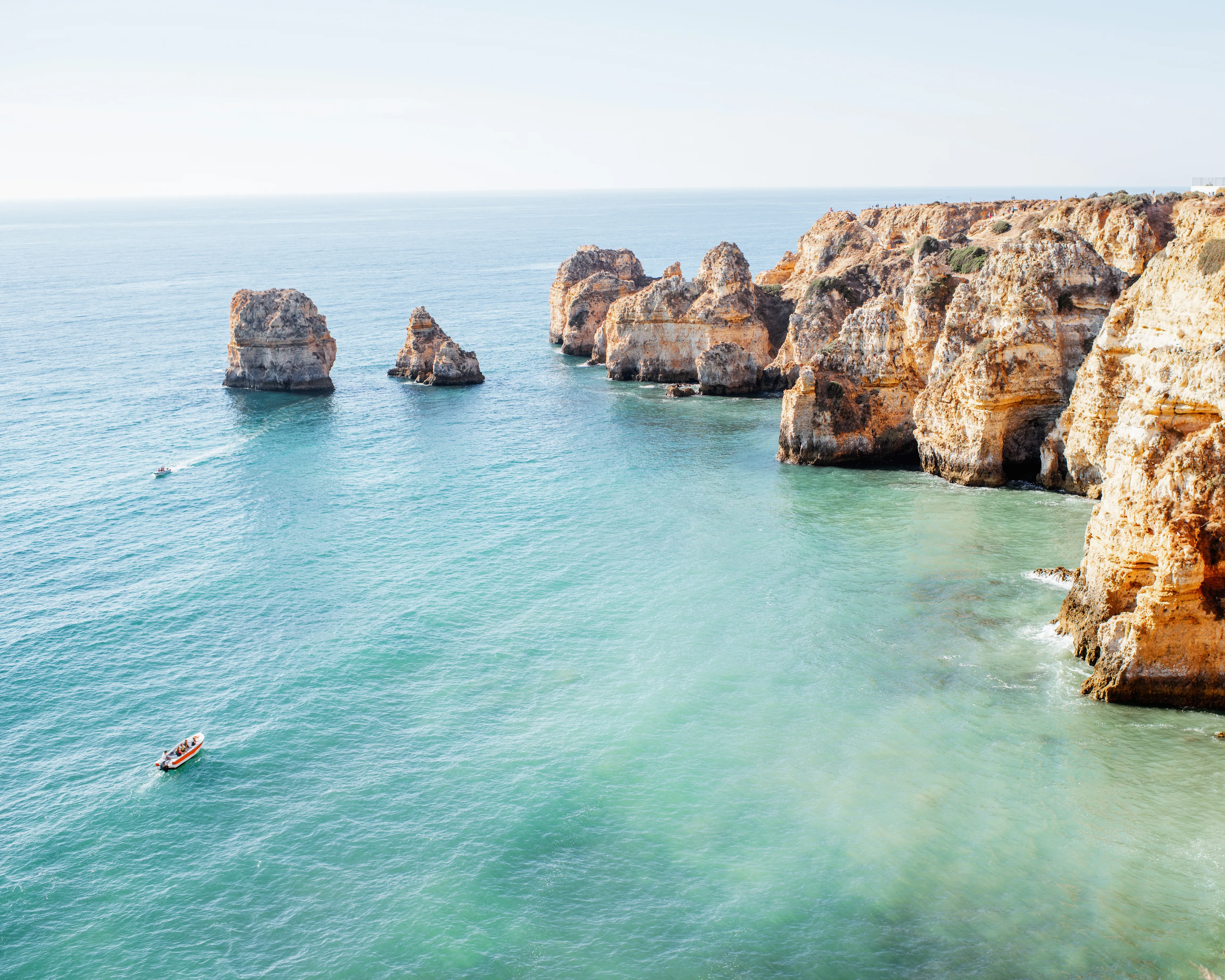
September is also a great time to explore the coastline. The Algarve region in the south stays warm enough for swimming and coastal walks, and the milder temperatures make it more enjoyable to explore the Benagil Cave by boat or hike the Seven Hanging Valleys Trail.
You can slow things down a bit in Porto, where colourful houses flow down the hillsides towards the Douro River. September is an excellent time for the riverside promenade, the Dom Luís I Bridge, or a scenic river cruise through the Douro Valley as the surrounding hills begin turning autumn colours.
Canada: Autumn Colours and Wildlife
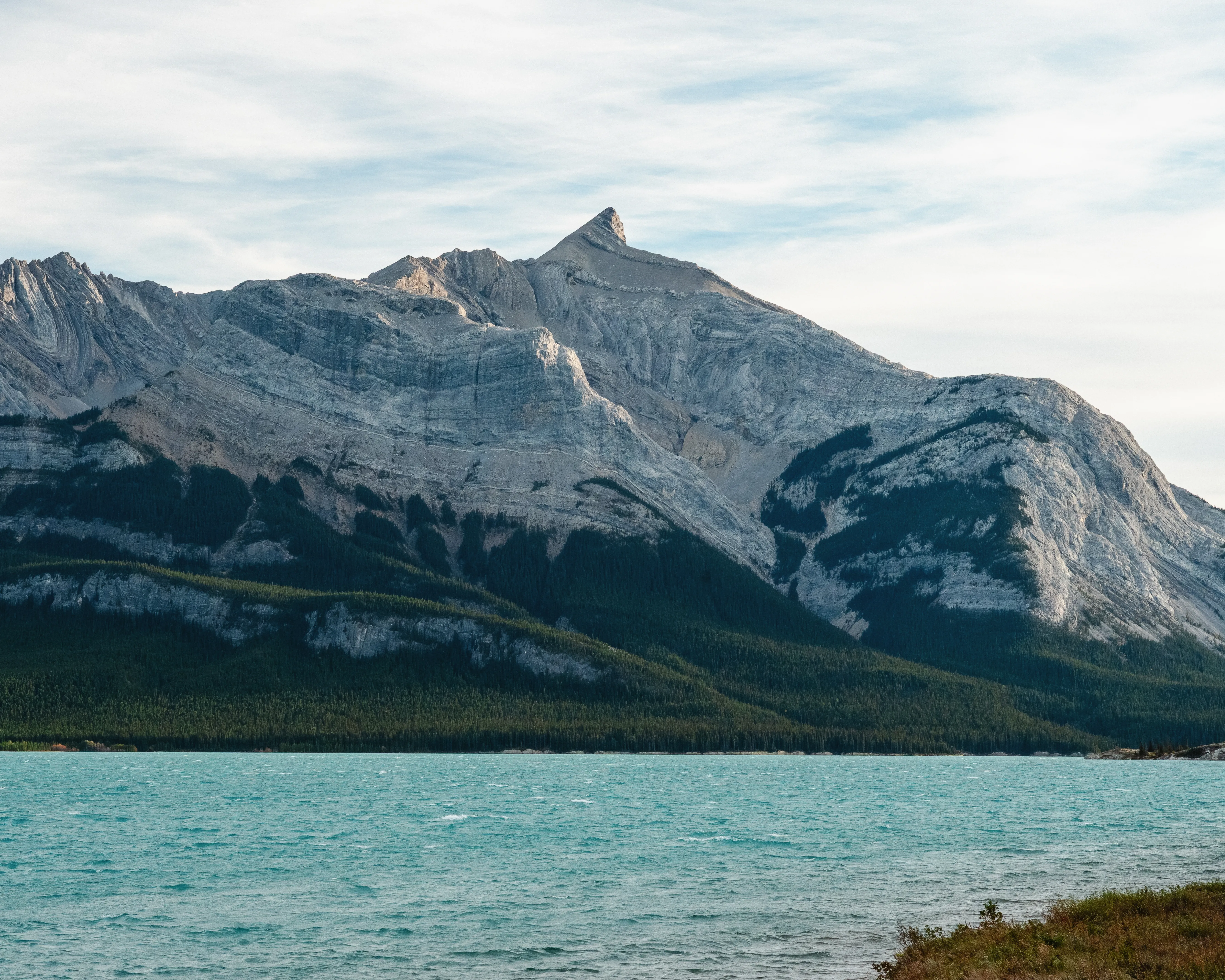
Crossing the Atlantic, Canada offers a completely different kind of September holiday. Crisp mountain air, vibrant autumn colours and abundant wildlife, with daytime temperatures in the Canadian Rockies typically sitting between 15-20°C.
September is one of the best times to explore the Canadian Rockies, with cooler temperatures making hiking far more comfortable than during the peak of summer. In Banff National Park, both Lake Louise and Moraine Lake are framed by mountains, and you have an opportunity to spot many types of animals on hiking trails, including elk, bighorn sheep and even black bears preparing for winter.
Out west, Vancouver Island is entering one of its best seasons for whale watching, when resident orcas are joined by migrating humpback whales along the Pacific coast. If you're considering British Columbia, September is also an excellent time to drive the scenic Sea-to-Sky Highway between Vancouver and Whistler or explore the coastal rainforest trails around Pacific Rim National Park Reserve.
As autumn approaches, Canada's forests begin transforming into shades of red, orange, and yellow, making September a fantastic month for road trips, photography and outdoor recreation before the arrival of winter.
South Korea: Autumn Festivals and Vibrant City Life
September is one of the most comfortable months to visit South Korea, with temperatures easing from around 26°C early in the month to closer to 22°C by late September, as the summer humidity fades.
Seoul makes the perfect introduction, where centuries-old landmarks such as Gyeongbokgung Palace and Bukchon Hanok Village sit alongside modern shopping districts and one of Asia's most exciting food scenes. Browse the stalls of Gwangjang Market for Korean favourites like bindaetteok, tteokbokki and handmade noodles, before spending the evening in neighbourhoods such as Myeongdong or Hongdae.
Worth knowing: South Korea's famous autumn foliage doesn't peak until mid-to-late October, so September visitors to Seoraksan National Park will catch only the earliest hints of colour at higher elevations, not the full display. If autumn leaves are the main draw, October is the better month, but September still delivers warm days, thinner crowds and Jeju Island's coastal trails without the summer rush.
Turkey: Ancient Wonders and the Mediterranean
Turkey, where Europe and Asia meet, sees average September temperatures of 25-27°C with the Aegean and Mediterranean coasts still around 24°C, some of the best weather all year for exploring ancient ruins without summer's intensity.
In Istanbul, you’ll likely want to visit the Hagia Sophia, get lost in the Grand Bazaar, and maybe cruise the Bosphorus Strait as Europe and Asia unfold on either side.

Staying a few extra days? Our Best Day Trips from Istanbul guide covers Gallipoli, the Princes' Islands and more.
And then there’s Cappadocia, where calm autumn mornings provide the perfect conditions for witnessing the iconic hot air balloon flights over fairy chimneys and rock-cut churches.
Along the Aegean coast, September is also a great time to explore the ancient city of Ephesus. With cooler temperatures than the peak summer months, you can comfortably walk its marble streets, admire the impressive Library of Celsus and explore one of the best-preserved Roman cities in the Mediterranean.
Further south, the Turquoise Coast around Fethiye, Ölüdeniz and Kaş still enjoys warm sea temperatures, so you can swim, snorkel or book a traditional wooden gulet cruise through the region’s lovely little coves.
Mauritius: Tropical Beaches and Island Adventures
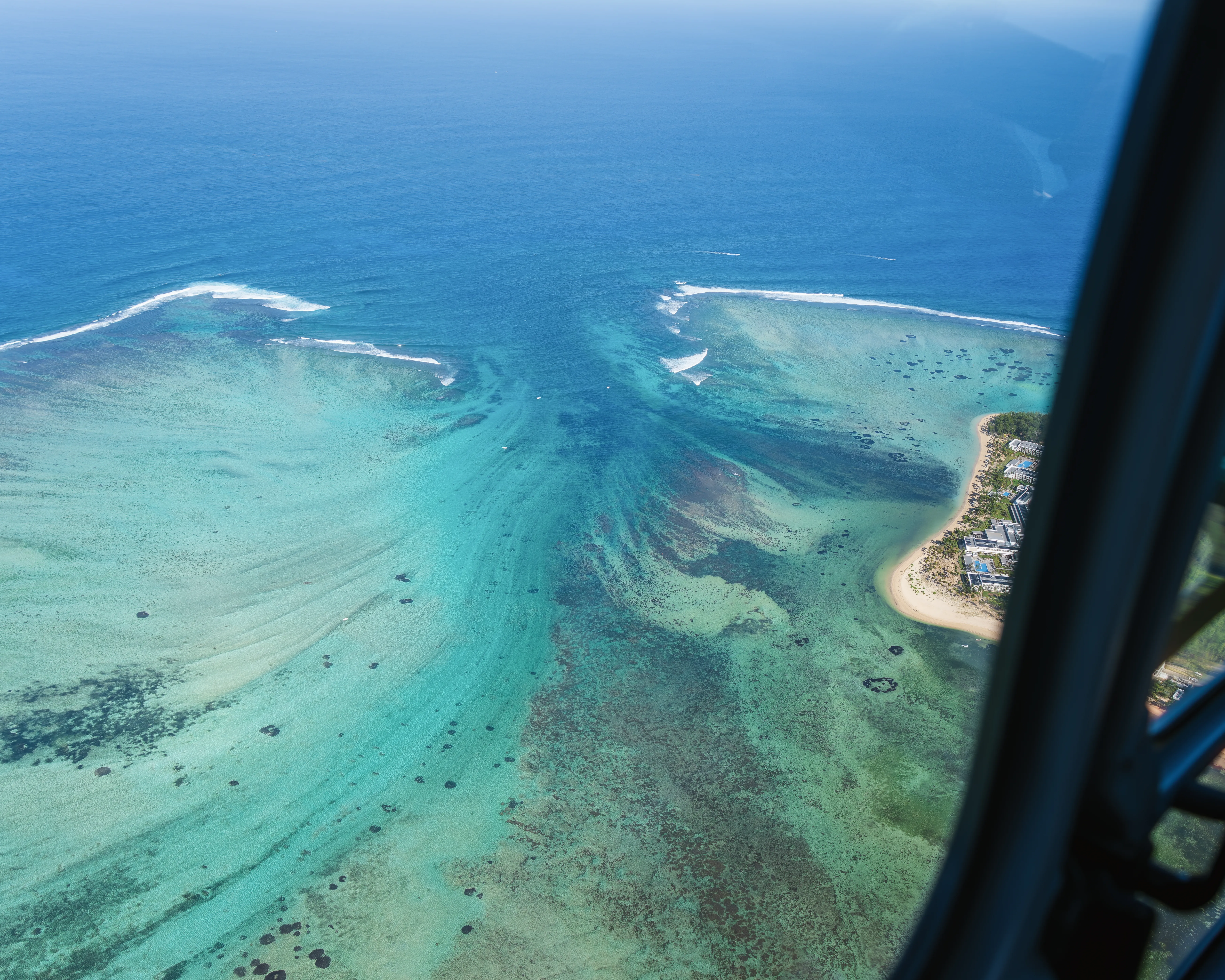
Mauritius sits in its dry season through September, with average temperatures of 24-25°C, sea temperatures around 23°C and noticeably lower humidity than the wet-season months. Excellent conditions for exploring both the coastline and the island's interior.
The island’s beaches are the obvious highlight and a good place to start, with destinations such as Le Morne Peninsula offering some of Mauritius’ notable scenery. Backed by the dramatic Le Morne Brabant mountain, this area is perfect for swimming and snorkelling. The surrounding lagoon is quite popular for kayaking, stand-up paddleboarding and kitesurfing.
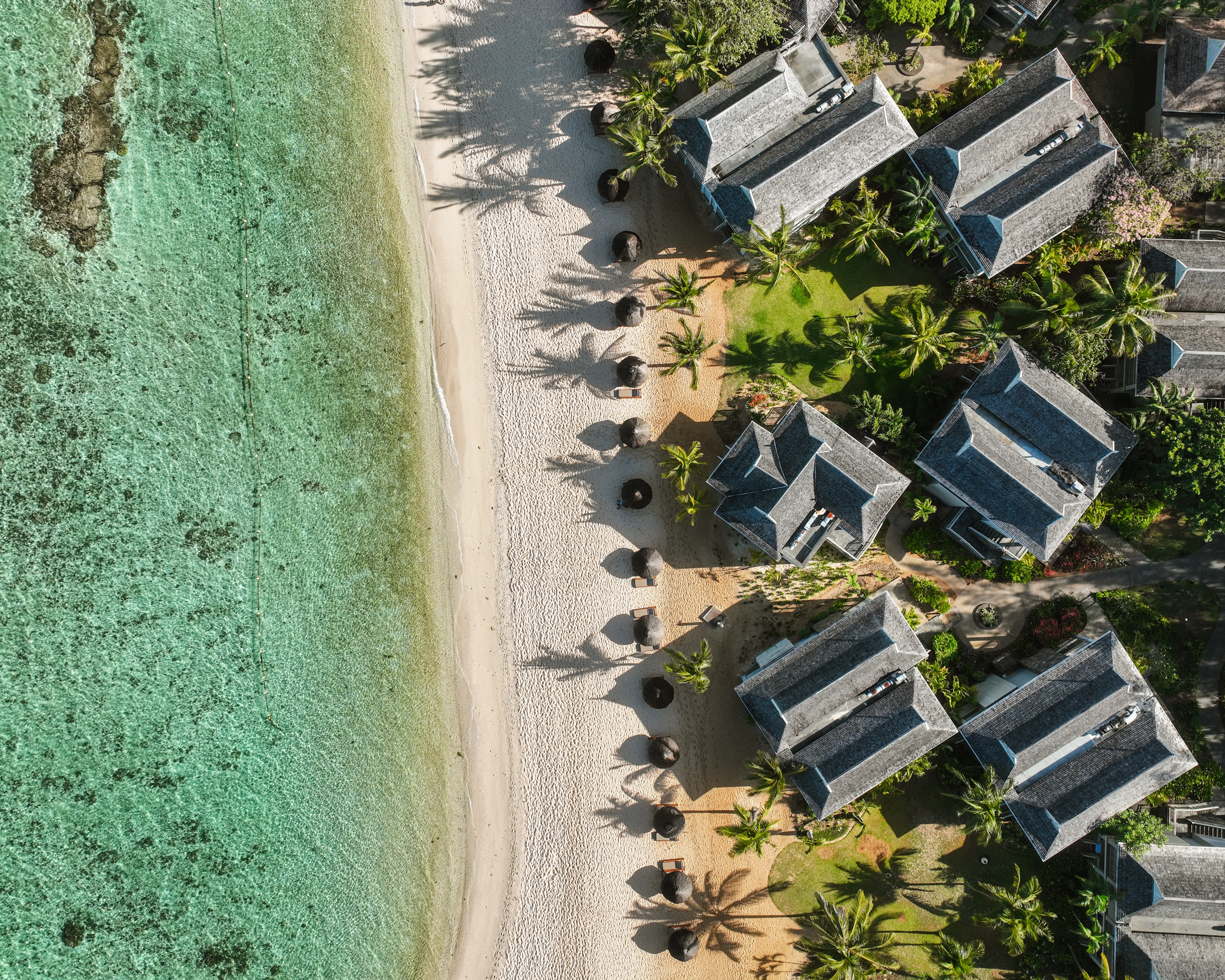
Inland, Black River Gorges National Park offers hiking trails through forest and past waterfalls, while Chamarel's Seven Coloured Earths sand dunes are one of the island's most photographed sights.
Clear dry-season waters give strong visibility for snorkelling and diving, with regular sightings of reef fish and the occasional sea turtle. September also falls within Mauritius's whale-watching season, when humpback whales are frequently spotted offshore.
Travelling with the family? See our Best Places to Visit with Kids from Australia guide for more family-friendly picks.
Cook Islands: A Relaxed Pacific Paradise
Crossing back towards the Pacific, our final destination brings us closer to home. The Cook Islands offer a laid-back island escape where welcoming lagoons, traditional culture and untouched natural beauty take centre stage.
September sits in the Cook Islands' dry season, with average temperatures of 25-26°C, sea temperatures around 24°C, lower rainfall and comfortable humidity, ideal lagoon conditions for swimming, snorkelling and paddling. Located between French Polynesia and Samoa, the Cook Islands offer a more peaceful alternative to some of the Pacific’s larger and busier island destinations.
The main island of Rarotonga is the perfect base for exploring, thanks to its scenic coastal road that can easily be travelled by scooter or bicycle. Spend your days seeking out secluded beaches or hiking the popular Cross-Island Track to the Needle, a volcanic rock formation surrounded by tropical forest.
Arranging a day trip to Aitutaki is another option and allows you to take in one of the Pacific’s most spectacular lagoons. Beyond the beaches, traditional dance performances, local markets and village experiences offer a more authentic Pacific holiday than many larger, busier resort destinations.
Where to Go in September from Australia: Final Thoughts
September is one of the most underrated months for Australians to travel. As winter fades and spring begins at home, it's the ideal window for overseas holidays in September, ahead of the busy end-of-year travel period, and often at noticeably lower prices than the northern hemisphere's peak summer months.
For families, September can also be a convenient time to get away, with spring school holidays taking place across many Australian states and territories towards the end of the month.
Want to stretch your time off further? Our guide to maximising your annual leave in 2026 shows how to combine public holidays and long weekends for a longer break.
The key to a successful September getaway from Australia is planning ahead. From checking entry requirements via Smartraveller, booking flights early, and choosing a destination that matches your travel style, a little preparation can help you spend less time worrying and more time enjoying the journey.
Don’t let the unexpected become your September holiday’s main attraction. Consider a travel insurance policy so that you can Explore Beyond with added peace of mind.
Frequently Asked Questions
Where is the best place to go in September from Australia?
It depends on what you're after. Greece, Italy and Portugal suit shoulder-season Mediterranean sun; Mauritius and the Cook Islands suit dry-season beach time; Canada and South Korea suit autumn scenery and mild city breaks.
What are the best September destinations from Australia for warm weather?
Mauritius, the Cook Islands and Turkey's Turquoise Coast all sit around 24–27°C in September with warm, swimmable seas, the most reliably warm places to visit in September from Australia on this list.
What is the cheapest place to visit in September from Australia?
Portugal and the Cook Islands typically offer the best value, with meaningfully lower accommodation and dining costs than Western Europe or Canada.
Is September a good time to visit Europe?
Yes. September is shoulder season across most of Europe, warm weather, fewer crowds and lower prices than the July-August peak.
Is South Korea good for autumn foliage in September?
Not quite. Korea's foliage season typically peaks from mid-October to early November. September visitors get warm weather and thin crowds, but only the earliest hints of colour at high elevation.
How far in advance should I book September holidays from Australia?
Aim for 3-6 months ahead, particularly if travelling during the spring school holidays, when flights and family accommodation get booked up faster.
Do I need travel insurance for a September holiday overseas?
It's worth checking the Product Disclosure Statement (PDS) to understand what cover applies to your trip and activities before you travel.
Sources
- Greece Tourism – Destination information, islands, attractions and travel planning
- Italy Tourism – Destination information, regions, attractions and travel planning
- Visit Portugal – Destination information, attractions and regional travel guides
- Destination Canada – Destination information, seasonal travel and regional guides
- Korea Tourism Organization – South Korea destinations, festivals and travel information
- GoTürkiye – Turkey destination information, attractions and travel planning
- Mauritius Tourism Promotion Authority – Destination information, beaches and activities
- Cook Islands Tourism – Destination information, island activities and travel planning
- Smartraveller – Official travel advisories and entry requirements
Disclaimer
This article is general in nature and intended as a guide only. Travel requirements, entry rules and government advice can change at short notice, so please check the latest information from the relevant official authorities before booking or travelling.
§ Subject to sub-limits, terms, conditions, and exclusions that may apply. For full details and before making a decision, consider the relevant Product Disclosure Statement (PDS).
1 Children (including fostered or adopted children) travelling with either their parents or grandparents will be provided with travel insurance cover for no additional cost (any pre-existing medical conditions may incur an additional charge). This is provided they are under 18 years of age, named on the Policy Schedule and are financially dependent on either their parents or grandparents. No cover is available for children who are born overseas during your trip.
2 When two or more adults are travelling together as part of either a couple or a family group, then each adult will benefit from a 10% discount to the standard individual premium for the selected level of cover for that particular trip before calculating the overall premium for the group. The 10% discount does not apply to individuals travelling with their non-adult children, who will, however, be covered at no additional cost.