
In this Article
Bali, the tropical paradise that needs no introduction! Bali is a favourite first overseas trip for Australians thanks to its beaches, day spas, temples, and easy day trips from the coast to the jungle. In 2026, Bali was named the No. 1 Top Destination in the World in TripAdvisor’s Travelers’ Choice Awards: Best of the Best Destinations, based on traveller reviews. If Bali hasn't made it onto your travel itinerary yet, don't fret, we've got you.
This beginner's guide is your go-to for discovering Bali’s must-see spots and insider tips specifically for Australians. From choosing the perfect accommodation to finding the best local eats, this guide will hopefully help you navigate your first Balinese adventure with a little bit more ease.
Useful links for travelling to Bali
- For current travel advice and entry requirements: Smarttraveller
- For e-VOA applications: Indonesia's Official e-Visa Website
- To pay the Tourism Levy: Love Bali
- To complete All Indonesia Declaration Form: All Indonesia
Whether you’re soaking up the sun from the lively beach scenes in Seminyak or exploring the tranquil temples of Ubud, you’ll soon understand why Bali is a must-visit destination. And while you’re busy packing your sunscreen for your upcoming Balinese adventure, don’t forget to consider a travel insurance policy for Bali for those unexpected travel surprises.

Best time to visit Bali
For many Australians, Bali is a classic winter‑sun escape, with plenty of warm-weather days even when it’s chilly back home.
Bali’s dry season generally runs from May to October, bringing lower rainfall, lower humidity, and lots of blue-sky beach days. The wet season typically falls from November to April, when tropical downpours are more common (often in short bursts).
July and August are popular months for Aussie holidays, especially around school break periods, so coastal hotspots can feel busier, and bookings can fill faster.
If you’d prefer a little more breathing room, the shoulder periods around April to June and September to October can be a sweet spot, often with great weather and a slightly calmer pace. In the wet season, you can still enjoy Bali, but rain can make some outdoor plans more weather‑dependent.
Getting to Bali
With so many Australians wanting to go to Bali each year, it should come as no surprise that getting there is rather easy. Direct flights to Denpasar (DPS) operate frequently from Australia, especially from major airports such as Melbourne and Perth.
If you’re on a budget, you’ll be glad to know airlines such as Jetstar and AirAsia often offer great deals. You can further save on flights to Bali by booking early or being flexible with travel dates and times to score the cheapest rates.
As a guide, non‑stop flights from Melbourne to Denpasar are around 6 hours, while Perth to Denpasar is about 3 hours 50 minutes (times vary by service).
Entry basics for Australians in 2026: VoA/e‑VoA + required forms + Bali’s tourist levy
Most Australians visiting Bali for holidays use Indonesia’s Visa on Arrival (VoA) or electronic Visa on Arrival (e‑VoA), with official information and application options available via Indonesia’s immigration e‑Visa portal.
For the VoA/e‑VoA, travellers may be asked to show a passport with at least 6 months' validity and an outbound/return ticket (proof of onward travel).
In addition to the visa, Australians travelling to Bali in 2026 should also allow for two separate entry items:
- All Indonesia Arrival Card (required since 1 September 2025): Indonesia’s immigration site notes that the arrival card submission is required, and it must be submitted within 3 days prior to arrival via allindonesia.imigrasi.go.id, which generates a QR code for arrival processing.
- Bali International Tourist Levy (IDR 150,000): Bali charges a one‑time levy of IDR 150,000 per international visitor per arrival (in place since 14 Feb 2024). Payment can be made via the official Love Bali website/app, and a voucher/QR code is issued.]
Accommodation options
Bali caters to travellers on all budgets when it comes to accommodation options. On the budget end, you’ll find guesthouses, homestays, and backpacker hostels. At the higher end, Bali offers a selection of luxurious villas and 5-star resorts.
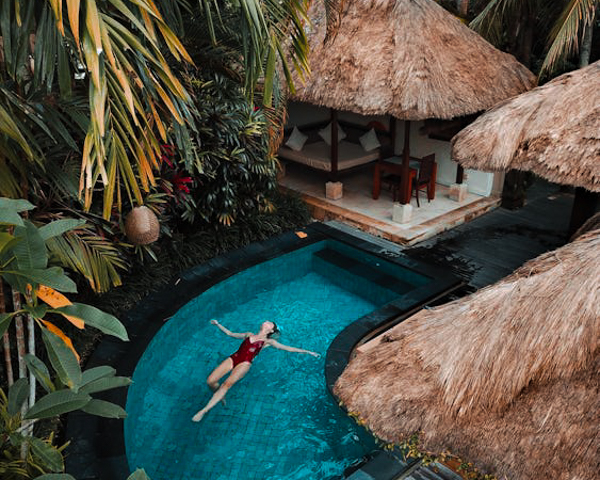
Many Balinese villas feature open-air living areas and are surrounded by tropical gardens, providing a unique and serene stay. Furnishings in villas and hotels often feature aspects of Balinese culture, blending natural elements with cultural touches.
Budget accommodation will often have shared facilities, whereas more expensive hotel and resort rooms will offer a wide range of amenities including en-suite bathrooms, free Wi-Fi, onsite dining, and in some cases your very own private pool or even a personal butler service.
As for where in Bali you decide to book accommodation, that will depend on your interests.
- Ubud is known for its wellness retreats, focusing on yoga, meditation and holistic health practices
- Nusa Dua is popular with travelling families due to its high-end resorts and proximity to beautiful beaches
- Seminyak, Kuta, and Legian are often hotspots for younger travellers due to the availability of vibrant nightlife, surfing opportunities, and the greater presence of hostels
- Uluwatu is ideal for those seeking peace and quiet, away from the bustling tourist areas.
Transportation in Bali
Bali's public transport system may be limited when compared to major cities in places like Europe. The safest and most convenient way to get around is to hire a private driver, who will be familiar with local traffic laws and the best routes to popular attractions. They can easily be set up through hotels during your stay whenever you need them.
Alternatively, taxis are widely available in popular tourist areas like Kuta, Seminyak, and Ubud, but be sure to stick with well-known local taxi companies like Bluebird. There are also ride-sharing apps like Gojek and Grab available, which also double up as food delivery services.
Kura‑Kura Bus operates a shuttle service with set stops and schedules; at present, the operator lists a Kuta ↔ Ubud line (round trip) as its active route. Tickets are bought in advance, and services run on set routes and schedules (check the operator’s latest timetable for current timings).
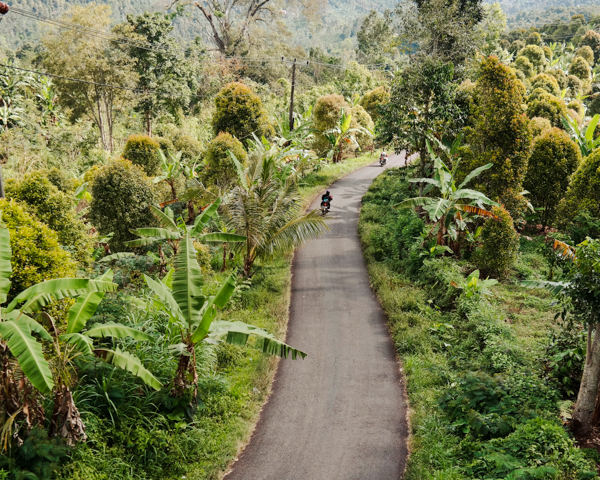
Renting a scooter or moped is quite popular to navigate Bali’s narrow roads and avoid traffic jams. However, it’s important to prioritise safety. Local traffic can be chaotic, so make sure you have an international driving permit before departing Australia, wear a helmet at all times, never ride a scooter while under the influence of alcohol, and adhere to local road rules.
Be sure to read your specific travel insurance policy’s PDS to see your level of coverage when planning to hire a scooter and what restrictions or requirements there may be.
Top attractions in Bali
Many of Bali’s attractions come in the form of natural attractions, but there are plenty of cultural attractions as well.
Seeing Bali’s rice terraces, like Tegalalang, is even more meaningful when you know they’re connected to the island’s Subak water‑management tradition. UNESCO recognises Bali’s Subak system as a cultural landscape shaped by cooperative irrigation and water temples, linked to the Tri Hita Karana philosophy of harmony between people, nature, and spirit.
Ubud is home to the impressive Ubud Palace, which dates back to the late 19th century. It’s known for its lovely courtyards, royal pavilions, and numerous sculptures that depict scenes from Hindu mythology and Balinese folklore. The Palace also hosts nightly traditional dance performances.
Ubud is also home to the Sacred Monkey Forest Sanctuary, which acts as a sort of botanic garden that is also home to hundreds of mischievous long-tailed macaques who will roam amongst you as you navigate the many scenic walkways.
Bali also offers several temples to explore, including the sea temple Tanah Lot, the cliffside Uluwatu Temple, and the island’s largest, which is Besakih Temple. Trekking is popular on the active volcano known as Mount Batur, and there are a number of waterfalls to hike to, such as Sekumpul and Gitgit.
Exploring Bali’s beaches
Much like Australia, Bali is blessed with many fine beaches. There are dozens of well-known beaches alongside countless secluded slices of sand to enjoy the coast. One of Bali’s most notable is Kuta Beach, which is near the airport. Kuta Beach is a lively spot lined with shops, restaurants, and bars, making it a great place to enjoy the vibrant nightlife.
Seminyak Beach is lined with many luxury resorts, beach clubs, and fine dining options, with exceptional sunset viewing. Meanwhile, Nusa Dua is great for families, offering pristine white sand and a range of water activities. If snorkelling or scuba diving is on your to-do list, head to Amed and nearby Tulamben for coral reefs and the famous USAT Liberty shipwreck dive site.
If you’re looking for less-touristy beaches, check out options such as Jimbaran Beach, Padang Beach, or Sanur Beach. Surfers will want to head to Uluwatu Beach, a beach that offers challenging waves for more experienced surfers.
Traditional Balinese culture and arts
Bali’s richness of culture and art is showcased through several attractions and activities.
Ubud is a good place to start, offering the Ubud market, which sells all kinds of Balinese handicrafts, from intricate wood carvings to handwoven textiles. Ubud is also home to a few art museums, including the Agung Rai Museum of Art and its collection of traditional Balinese paintings and modern Indonesian art. The Blanco Renaissance Museum, dedicated to the works of Filipino artist Don Antonio Blanco, who settled in Bali, is another cultural highlight.
There are, of course, plenty of temples to visit, some of which we’ve already mentioned. There is an especially unique Hindu Temple called Goa Gajah or Elephant Cave near Ubud, built within a cave that dates back centuries. The temple is adorned with many rock carvings and is often filled with burning incense from worshippers.

For a deeper understanding of Balinese traditions, consider taking a village tour, such as Tenganan, Penglipuran, and Celuk, which offer a window into the island’s age-old customs. These tours often include performances of traditional song and dance, displays of local clothing, and demonstrations of artisanal crafts.
Bali’s culinary scene
No trip to Bali would be complete without sampling traditional Indonesian flavours. Some notable dishes to seek out include suckling pig roasted on a spit known locally as babi guling, as well as bebek betutu, a slow-cooked duck wrapped in banana leaves, infused with aromatic herbs and spices.
Bali’s street food scene is vibrant and diverse. Don’t miss nasi goreng, a flavourful Indonesian fried rice dish typically mixed with vegetables, eggs, and sometimes shrimp. Another popular street food is satay, skewers of marinated and grilled meat served with a rich peanut sauce.
Then there are Bali’s many award-winning and fine dining restaurants scattered around the island. Areas like Ubud and Seminyak are culinary hotspots where you can savour not only traditional Balinese dishes but also a wide range of Asian-inspired and European flavours. These restaurants often combine local ingredients with international techniques, creating a fusion of tastes that’s both unique and delicious.
Bali’s markets are great for sampling local foods, snacks, and drinks. For those who want to take a piece of Bali’s culinary tradition home, cooking classes are a fantastic option. These classes offer hands-on experience in preparing traditional Balinese dishes, providing you with skills and recipes to recreate these flavours in your own kitchen.
Outdoor adventures and activities
There are endless outdoor recreation opportunities in Bali, and you may find that many are automatically covered by travel insurance.
In addition to Bali’s well-known hiking, diving, snorkelling, and surfing, consider the thrill of white water rafting on the Ayung River near Ubud or the Telaga Waja River in East Bali. For adrenaline junkies, off-road ATV and quad biking adventures through dense jungles and picturesque rice fields provide an exciting way to explore the island’s rugged terrain.
For a unique experience, head to Bali Treetop Adventure Park, where you can enjoy thrilling ziplining through the treetops. If you’ve always dreamed of riding a horse on the beach, visit Seminyak Beach or Saba Bay. For more adventurous spirits, canyoning and kite surfing are also popular activities that offer both challenge and excitement.
After a day of action-packed fun, unwind at one of Bali’s natural hot springs in North Bali or Kintamani, where you can soak in the warm, mineral-rich waters and rejuvenate your body and mind.
Travel tips and safety precautions
And finally, to increase the chances that your holiday to Bali goes as smoothly as possible, adhere to a few important safety tips. Before your trip, visit your doctor for a checkup before you go and inquire about any travel vaccinations that may be recommended or required.
Bali is prone to natural disasters such as earthquakes, tsunamis, and volcanic eruptions. Stay informed about local conditions and have a plan in case of emergencies.
When it comes to sampling street food, be cautious about ensuring proper food preparation is practised to help avoid foodborne illnesses.
While the local monkeys may seem friendly, avoid touching or feeding any local wildlife. Keep in mind that, much like in Australia, various marine life can also be dangerous to handle, so exercise caution when interacting with wildlife.
Useful links for travelling to Bali
- For current travel advice and entry requirements: Smarttraveller
- For e-VOA applications: Indonesia's Official e-Visa Website
- To pay the Tourism Levy: Love Bali
- To complete All Indonesia Declaration Form: All Indonesia
For many of the other things that can cause holiday disruptions, allow travel insurance to cover you for overseas medical treatment if required, delayed or cancelled flights, lost or stolen luggage, and a wide range of other travel mishaps.
It is important to check the appropriate authority for the most up-to-date travel requirements.