
In this Guide
As spring paints the Japanese landscape with delicate hues of pink and white cherry blossoms, so too can the thunderous roar of sumo wrestlers be heard as they collide in the country’s arenas. This combination of fleeting natural beauty known as Sakura, alongside the raw power of sumo wrestling, a sport deeply rooted in tradition and strength, makes Japan in spring one of the most extraordinary travel experiences on earth.
For Australians, the timing couldn't be more perfect. Japan sits just 9–10 hours from Sydney or Melbourne, and the sakura season lines up neatly with school holidays and early autumn back home, making a spring trip feel genuinely achievable, not just a bucket-list dream.
Planning your first trip to Japan? It’s also worth checking whether you need a visa to visit Japan before locking in flights.
Come discover everything you need to know about Japan's cherry blossom season, when and where to catch the blossoms at their peak, how to join a hanami picnic like a local, and how to score tickets to a live sumo tournament. We'll also share practical tips that most travel guides skip: how to avoid the worst of the crowds, what to eat while you're there, and why combining sakura with sumo makes for the ultimate Japan spring itinerary.
And since Japan's cherry blossom season waits for no one, it's worth thinking about travel insurance before you head off. Just in case flight delays or unexpected hiccups get in the way of your trip to Asia.
What Exactly Is Sakura Season? Japan's Cherry Blossom Season Explained
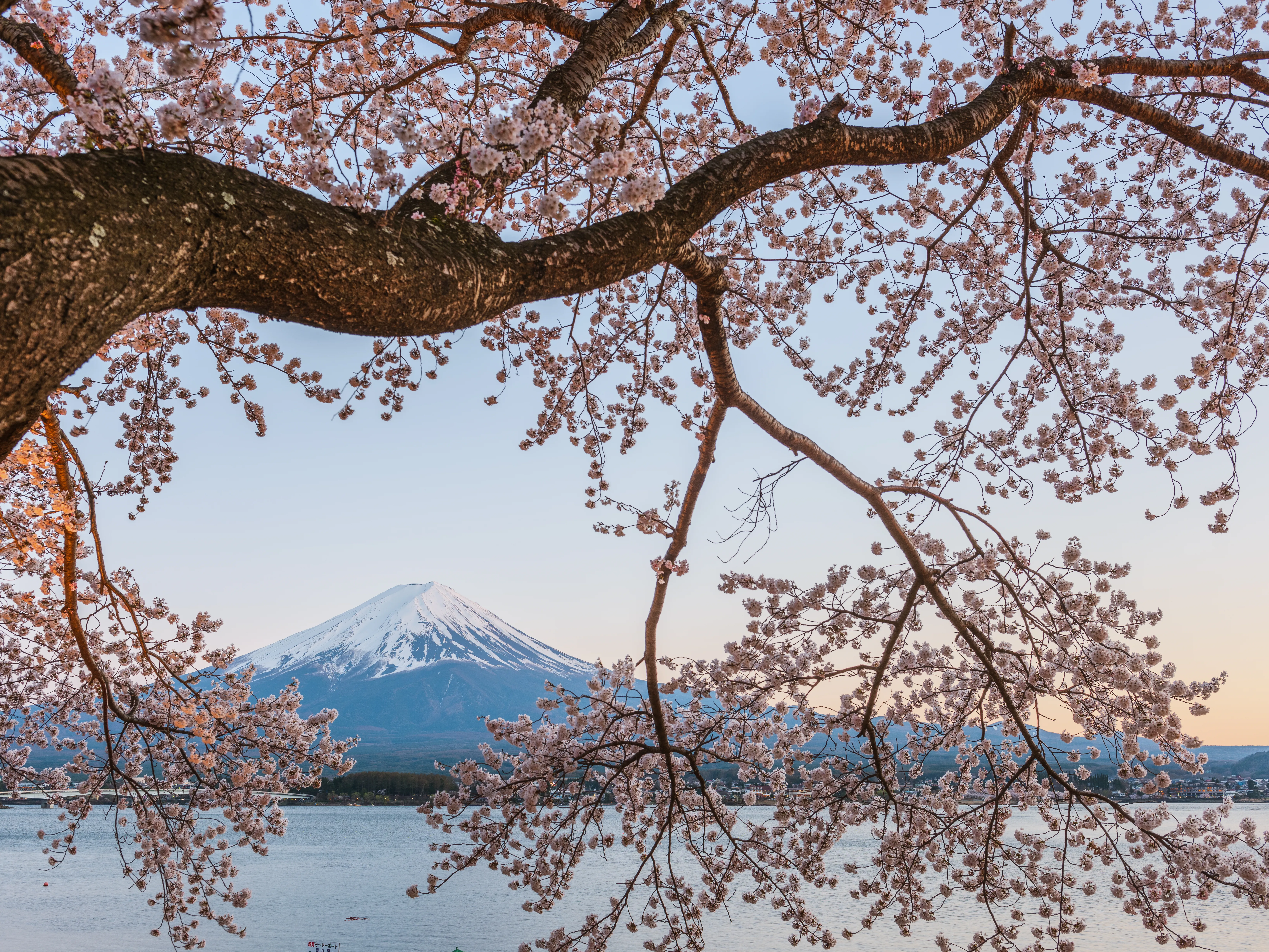
The cherry blossom season, known as "sakura" in Japan, occurs in spring. Different regions of the country experience the season at slightly different times based on weather conditions, and forecasts for viewing the blossoms are created annually.
Each year, the Japan Meteorological Corporation releases an official bloom forecast, and the whole country pays attention. Checking this forecast before you book is one of the smartest things you can do, sakura blooms are beautiful but brutally brief.
Sakura season typically lasts around 10 to 14 days for any given location, with peak bloom, called "mankai", lasting just five to seven days. During this window, parks, temples, and historic sites across Japan become gathering spots for hanami, the centuries-old tradition of cherry blossom viewing parties. Friends, families, and colleagues lay out picnic mats under the trees, share food and drinks, and simply enjoy the moment. Hanami dates back to the Nara Period (710–794 AD), making it one of Japan's oldest cultural traditions.
Sakura season is deeply ingrained in Japanese traditions. It’s featured in literature, art, and poetry, and the concept of appreciating life's fleeting beauty, called mono no aware, is central to the Japanese worldview. Cherry blossoms remind people that beauty is precious precisely because it doesn't last.
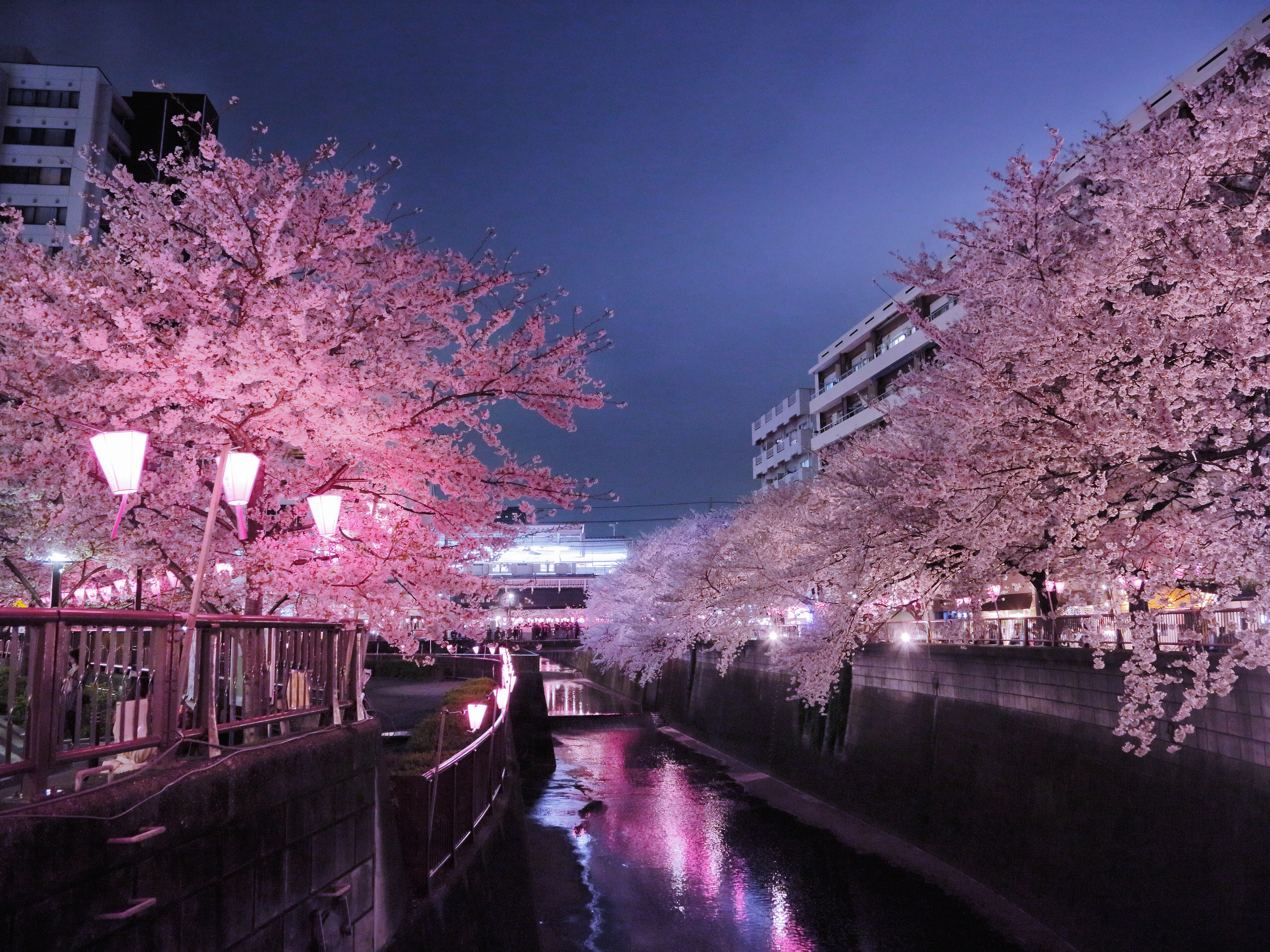
Beyond daytime hanami, many parks set up evening illuminations called "yozakura" (night cherry blossoms), where lanterns and floodlights transform the trees into something almost otherworldly. Food stalls line the paths selling sakura mochi (sweet rice cakes wrapped in a preserved cherry leaf), sakura-flavoured soft serve, and hot teas. It's the kind of atmosphere that makes you slow down, look up, and feel genuinely lucky to be there.
When Is Cherry Blossom Season in Japan? Timing Your Visit
Japan's cherry blossom season follows what's known as the "Sakura Zensen," or Sakura Front, a wave of blooms that sweeps the country from south to north, beginning in the subtropical south and finishing in the far north of Hokkaido. The timing shifts each year slightly depending on the preceding winter's temperatures, so it pays to check the annual forecast before locking in your flights.
Here's a rough regional guide to when sakura peaks:
- Okinawa and Kyushu (southern Japan): late January to mid-February
- Tokyo, Kyoto, and Osaka: late March to early April (the sweet spot for most visitors)
- Tohoku region (northern Honshu): mid to late April
- Hokkaido (Sapporo): late April to early May
For most Australians, planning around the Tokyo–Kyoto–Osaka corridor in late March to early April gives you the best shot at full bloom across multiple cities in a single trip. Recent seasons have trended slightly earlier due to warmer winters, so keeping an eye on the official forecast, released each February, is well worth it.
One local trick: visit on a weekday if you can. Crowds at popular spots like Ueno Park or Maruyama Park peak on weekends, when Japanese locals travel en masse. Arriving early in the morning (before 8:30am) at popular spots is the other classic move. You'll often have the most photogenic locations almost entirely to yourself!
Best Places to See Cherry Blossoms in Japan
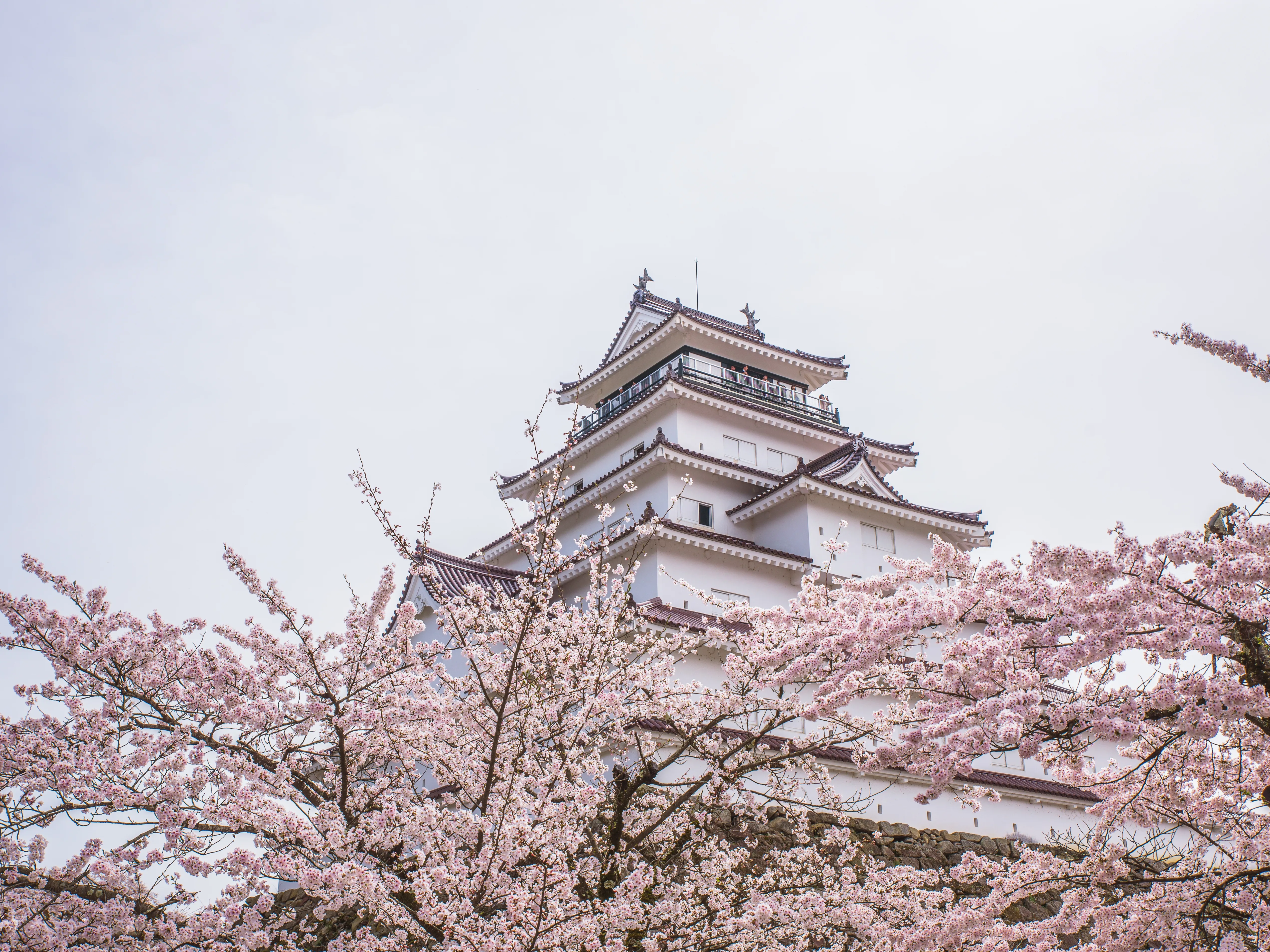
Many locals and travellers arm themselves with cameras to capture the beauty of cherry blossoms. Social media platforms are often flooded with stunning photos usually taken at the country’s top sakura spots.
Ueno Park is one of Tokyo's most popular cherry blossom viewing spots. The park features more than a thousand cherry trees and hosts the Ueno Cherry Blossom Festival. Also in Tokyo, near the Imperial Palace, is Chidorigafuchi, a moat with hundreds of cherry trees lining its banks.
If Tokyo is part of your spring itinerary, our guide to things to do in Tokyo is a useful resource for planning cherry blossom viewing, neighbourhood strolls and cultural highlights.
Heading to Kyoto, the Arashiyama district is not only known for its bamboo groves but also for its cherry blossoms. The Togetsukyo Bridge and the surrounding areas are particularly scenic, while Maruyama Park with its illuminated lanterns is a popular spot for hanami parties. We’d also suggest checking out the Philosopher's Path. This two-kilometre canal walk between Ginkaku-ji and Nanzen-ji is arguably the most beautiful short stroll in Japan during cherry blossom season. Go at dawn on a weekday, and you'll understand why people book entire trips around it.
Osaka is another fantastic place to experience the beauty of cherry blossoms during the sakura season. Osaka Castle Park is home to thousands of cherry trees, offering a unique contrast between the historic castle and the blooming sakura. Located along the Okawa River, Kema Sakuranomiya Park is renowned for its long cherry tree-lined paths.
The Osaka Mint Bureau also opens its cherry blossom garden to the public for a short period during sakura season. Other spots worth mentioning include the cherry blossom park of Hirosaki Castle in Aomori, the island of Miyajima with its famous "floating" torii gate, which becomes extra picturesque with the surrounding blossoms, and Hyogo’s Himeji Castle.
A few other spots that regularly leave travellers speechless: the cherry tree-lined canal at Meguro River in Tokyo, where cafés and bars spill out onto the waterway during bloom season; Nara Park, where cherry blossoms frame free-roaming deer wandering among ancient temples; and the hot spring town of Beppu in Kyushu, where you can soak in an outdoor bath while sakura petals drift around you. Genuinely one of those experiences that feels too good to be real.
What to Eat During Sakura Season
Cherry blossom season in Japan comes with its own food culture, and it's worth knowing what to look for. At hanami picnics and festival food stalls, you'll find sakura mochi, a sweet pink rice cake wrapped in a preserved cherry leaf that carries a gentle floral flavour. Hanami bento boxes, packed with seasonal ingredients and sold at supermarkets and convenience stores during the season, are how locals actually eat at the park. Don't be shy about grabbing one from a 7-Eleven or Lawson; Japanese convenience store food is genuinely excellent!
Sakura-flavoured soft serve, lattes, and Kit Kats appear in shops and cafés for the duration of the season, seasonal, collectible, and delicious in equal measure. And if you want to sit down for something more substantial, look for "haru" (spring) menus at local restaurants featuring bamboo shoots, fresh sansai mountain vegetables, and other seasonal produce that only appear for a few weeks each year.
How to Watch Sumo Wrestling in Japan: Tournaments, Tickets, and What to Expect
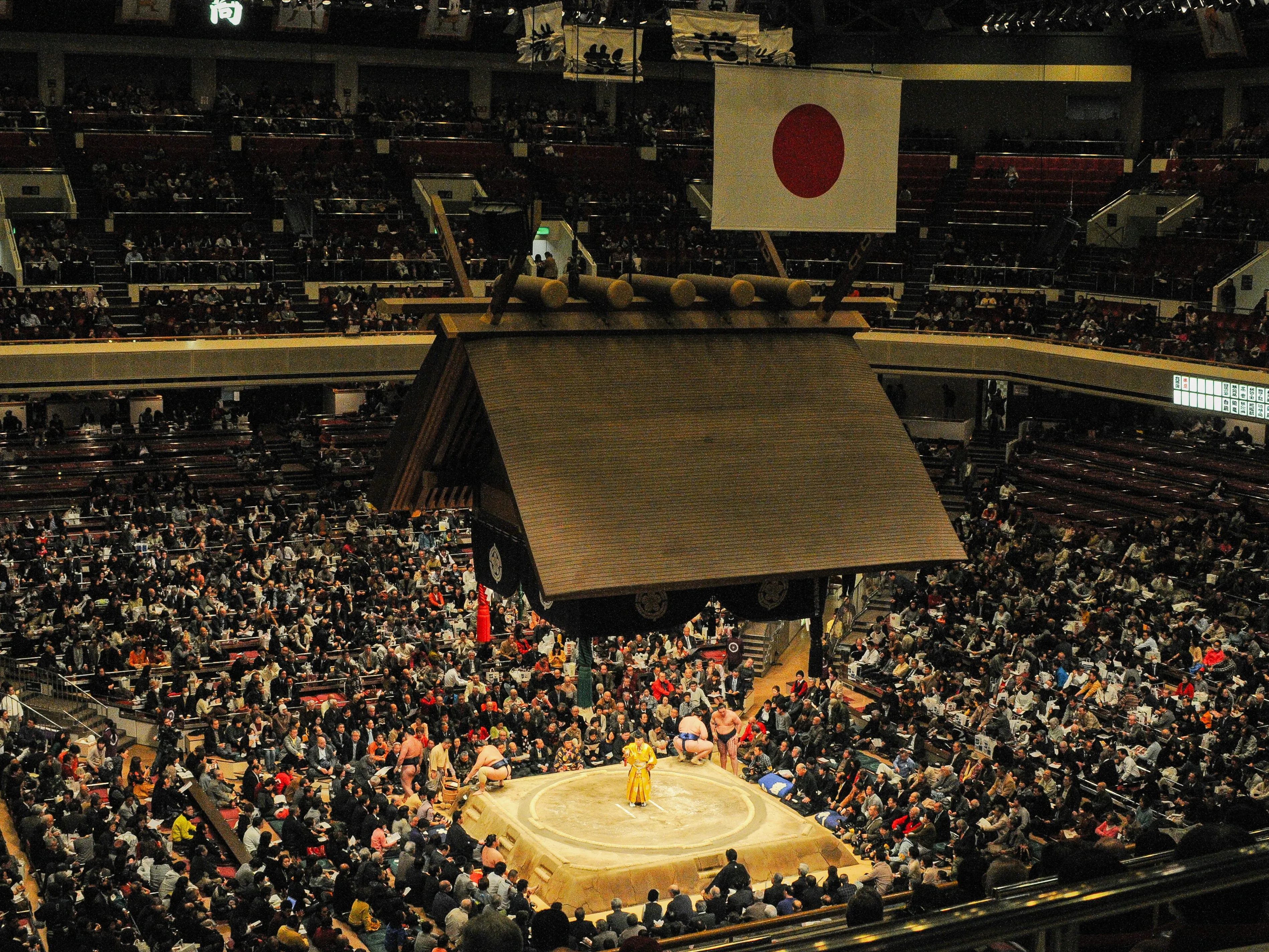
Whether you are a sports enthusiast or someone simply interested in Japanese culture, watching sumo in Japan offers a blend of athleticism, tradition, and entertainment that is truly one-of-a-kind. Even travellers who arrive with zero interest in the sport regularly describe it as one of the highlights of their entire trip to Japan.
Sumo wrestling, known as the national sport of Japan, evolved from Shinto religious rituals performed more than 1,500 years ago, making it one of the oldest organised sports in the world. Today it is governed by the Japan Sumo Association, and the professional circuit revolves around six Grand Tournaments, or "basho," held each year across four cities.
The six basho and their venues:
- January (Hatsu Basho): Ryogoku Kokugikan, Tokyo
- March (Haru Basho): EDION Arena, Osaka
- May (Natsu Basho): Ryogoku Kokugikan, Tokyo
- July (Nagoya Basho): Aichi International Arena, Nagoya
- September (Aki Basho): Ryogoku Kokugikan, Tokyo
- November (Kyushu Basho): Fukuoka Kokusai Center, Fukuoka
Each tournament runs for 15 days, always starting and ending on a Sunday. For visitors overlapping with the sakura season, the March Osaka tournament and the May Tokyo tournament are the most accessible options. The March Haru Basho is a particularly special combination; cherry blossoms in Osaka are usually at or near peak bloom during the same two-week window.
How to buy sumo tickets as a foreigner: Tickets can be purchased through the Japan Sumo Association's official website (which has an English interface), or through reputable third-party platforms. Book as early as possible, popular days, especially weekends and the final day, sell out fast. Guided sumo experiences through operators like Viator also include English commentary via audio headsets, which makes a real difference if you're new to the sport.
What time should you arrive? Lower-ranked wrestlers compete from the morning, but most visitors arrive in the mid-afternoon, around 2–3pm, when the atmosphere builds, and top-division wrestlers (the "makuuchi") begin to take the ring. The yokozuna, sumo's grand champion, enters the ring at around 4pm, and the climactic final bouts happen around 6pm. Try to be there for at least the last two hours, that's when the crowd really comes alive.
What to wear and bring: If you're sitting in traditional box seats (masu-seki), you'll remove your shoes and sit on cushions on the floor, bring slip-on footwear and be prepared to sit cross-legged for a few hours. Food and drinks are available inside the venue, including bento boxes, beer, sake, and Japanese whisky. Arriving slightly hungry is not a bad strategy.
What's actually happening in the ring? Each bout begins with an elaborate pre-match ritual: wrestlers stomp their legs high ("shiko") to drive away bad spirits, toss salt to purify the ring, and lock eyes with their opponent in an extended stare-down. When they finally launch into the initial charge, called the "tachiai", the collision is genuinely shocking, even after you've watched a dozen bouts. A match is won when a wrestler either forces their opponent outside the ring (the "dohyo") or causes any part of their body other than the soles of their feet to touch the clay. Most bouts are over in under 10 seconds.

Other Sumo Attractions to Explore
If you find yourself visiting Japan at a time when no sumo tournaments are scheduled, don’t be dismayed, as there are still sumo-related attractions you can check out. When Tokyo’s Ryogoku Kokugikan isn’t hosting sumo tournaments, it still offers up the Sumo Museum, which is dedicated to showcasing the history of sumo alongside various artefacts. It's a great place to learn about the sport's evolution and see exhibits related to famous wrestlers.
Sumo stables are where sumo wrestlers live and train. Some stables in Tokyo, such as the famous Musashigawa Beya, allow visitors to observe morning practice sessions if arrangements are made in advance.
Some locations may also offer sumo exhibitions throughout the year where you can watch wrestlers demonstrate their techniques. These exhibitions may include explanations of the rules and rituals, providing basic insight into the world of sumo.
Ryogoku’s Eko-in Temple is known for its Sumo Memorial Ceremony, which honours deceased sumo wrestlers, and throughout Japan, in areas with strong sumo traditions, you will often find statues dedicated to legendary sumo wrestlers.
One experience that stands out beyond the tournaments: visiting a sumo stable (called a "heya" or "beya") for a morning practice session. Sumo wrestlers begin training early, and some stables in Tokyo welcome visitors to watch from ringside, in near silence, shoes off, sitting still. You'll be just metres away from athletes who can weigh well over 150 kilograms, moving with surprising speed and precision.
Booking through a guide is strongly recommended, both to secure access and to make sure you understand the etiquette. It is an intensely traditional space. After practice, some stables invite visitors to share a bowl of "chanko nabe", the hearty hotpot stew that forms the cornerstone of a sumo wrestler's diet, packed with protein-rich ingredients like chicken, tofu, and vegetables. It's the kind of meal that tells a story.
The broader Ryogoku neighbourhood in Tokyo is worth half a day on its own. Beyond the Kokugikan arena and Sumo Museum, the streets are dotted with chanko nabe restaurants, sumo-themed shops, and old wrestling posters. It's the spiritual home of the sport and one of Tokyo's most distinctly local neighbourhoods.
The Naki Sumo Crying Baby Festival: Japan's Most Endearing Spring Tradition
The Naki Sumo Festival (泣き相撲) is, without question, one of the most joyful and genuinely unusual spectacles you'll find anywhere in the world during spring travel. Two sumo wrestlers face each other in the ring, each holding a baby. Whoever makes their baby cry first wins. If both cry simultaneously, the louder baby is declared the winner. The belief behind it, rooted in centuries of Japanese tradition, is that a baby's cry carries away evil spirits and invites divine protection.
It takes place at multiple shrines and temples across Japan during the spring, Senso-ji in Asakusa, Tokyo, is among the most famous, but it also occurs in Kyoto, Osaka, and other cities. Dates vary by location, so it's worth searching for the specific schedule closer to your travel dates. The atmosphere, proud parents, enormous wrestlers cradling tiny infants, and crowd reactions ranging from delighted laughter to tearful pride, is one of those rare travel moments that no amount of planning fully prepares you for.
Planning Your Japan Spring Trip: Where to Start
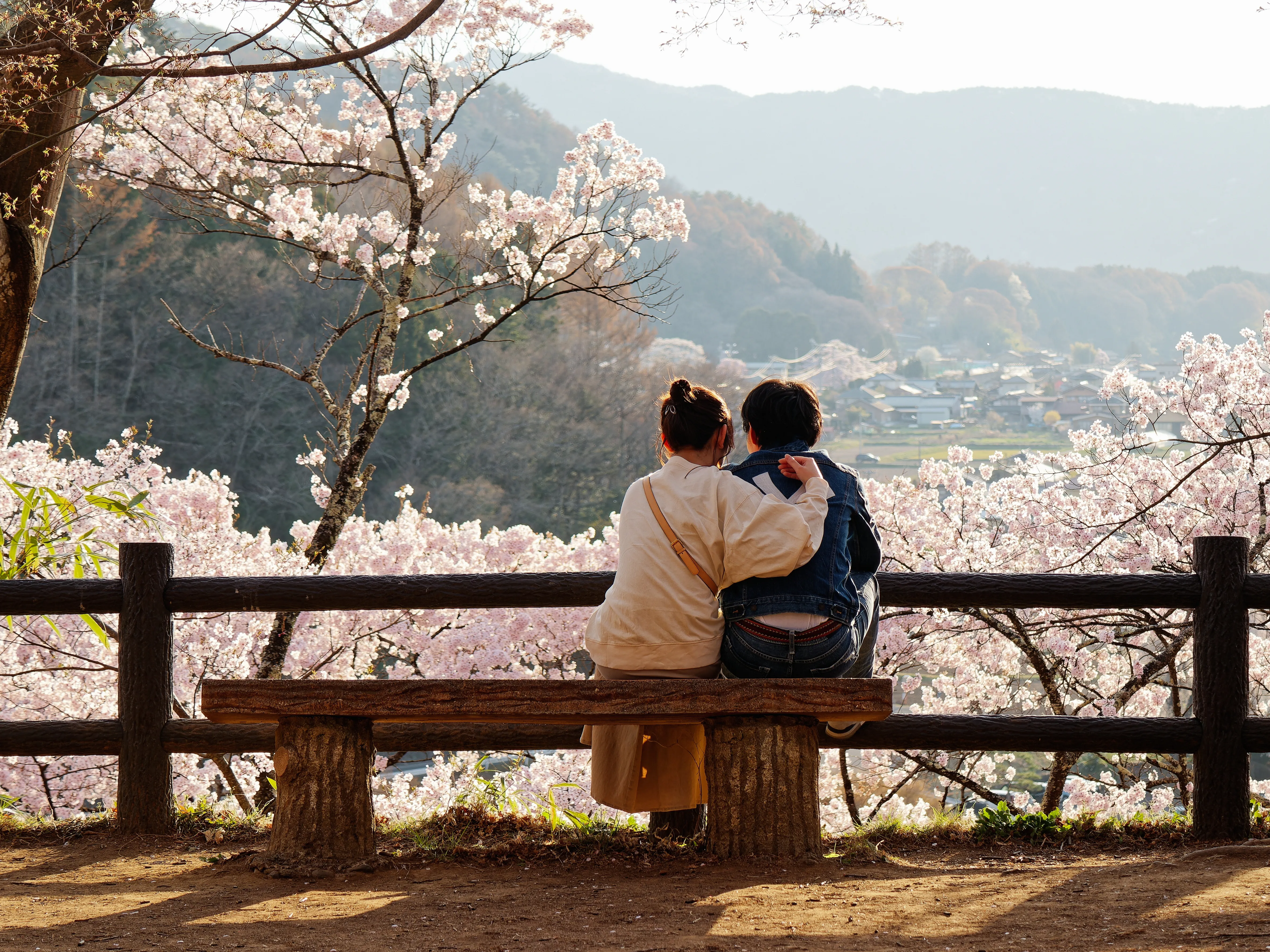
Japan in spring is a destination that rewards timing, patience, and a good dose of spontaneity. The cherry blossom season is breathtaking precisely because it doesn't last, which means building a little flexibility into your itinerary goes a long way. Check the annual sakura forecast before you book, aim for late March to early April for the Tokyo–Kyoto–Osaka corridor, and if you can swing the dates, the Osaka sumo tournament in March or the Tokyo tournament in May are genuinely special additions to any spring itinerary.
Book accommodation early, cherry blossom season is one of the busiest times of year in Japan, and good options in central Kyoto or the Ryogoku district of Tokyo fill up months in advance. Sort your JR Pass before you leave Australia to make bullet train travel between cities seamless.
And as always, when heading overseas, don’t forget to consider travel insurance before you head off, just in case a flight delay, illness, or unexpected disruption gets in the way of catching that perfect bloom.