
Summer Down Under: 9 things you should say YES to!
Welcome to the land of deserts and Vegemite, of wondrous cities, beautiful coastlines and the world’s largest coral reef.
If you’re a local staying down under this summer, here are 21 things we urge you to say yes to.
1. An outdoor movie
Nothing beats movies that start at twilight and end under the glorious stars! Plus, the surroundings are usually spectacular. Think: Mrs Macquaries Chair in Sydney, the Deckchair Cinema in Darwin or Rooftop Movies in Perth.
Outdoor cinemas have become somewhat of an Aussie summer tradition, so if you still haven’t given it a go, find something to watch and book your seats!
2. Sydney Harbour Bridge Climb
Clear summer days and long nights make the Bridge Climb a must, must, must if you’re in Sydney. And contrary to popular belief, it’s not just for tourists!
Spots go fast so make sure you book early. If you want to save cash but still get the experience, go for the Bridge Sampler or a night climb.
3. Taste of Tasmania
Three words to describe this one: Nom, nom, nom! Spanning over the new year, food, wine, arts and other cool activities come together at Taste of Tasmania. And best of all, you get to sample all of the state’s freshest produce and foods.
If you’re going with the family, there’s lots of stuff for kids too, like cooking classes and jumping castles.
4. A swim with something awesome
Aussies love to bum around in the sun and surf. But why not take your swim to the next level and go for a dip with something awesome, like:
- Dolphins in Port Stephens, NSW
- Whale Sharks in Ningaloo Reef, WA
- Crocs in Darwin, NT
- Turtles near Hamilton Island, QLD
5. Falls festival
It’s one of the biggest and best in Oz! And it happens all over the east side. This year, artists like Bloc Party and the Hilltop Hoods and even Weird Al Yankovic will feature. Falls Festival destinations include Lorne (VIC), Byron Bay (NSW) and Marion Bay (TAS).
6. The Sydney to Hobart Yacht Race
If you’ve never seen The Sydney to Hobart Race in all its watery glory, get your butt to the coast this summer. This iconic race kicks off from various points in Sydney (like Nielsen Park and Shark Island) on Boxing Day and ends near the Castray Esplanade on the River Derwent in Tassie.
Arrive early to get a prime viewing spot, or book yourself a seat on a spectator boat to view the race from the water!
7. The 39th Swim Through Rottnest
Get your togs on, people! This swimming race is held in the beautiful waters of Rottnest Island in WA (just near Perth) on the first Saturday of December. It’s been going on since 1977, is open to all ages, and now has both 500m and 1600m events.
Both male and female winners grab $400 each!
8. Something Christmas-inspired
Don’t be a Santa stickler! Make sure your Aussie summer bucket list includes at least one Christmassy thing. After all, warm summer Christmases are what Australia is all about (remember, a lot of the rest of the world is in winter!). Some suggestions:
- Carols in the Domain in Sydney
- Myer Christmas Windows in Melbourne
- Christmas Parade and Gold Lotto City Hall Light Spectacular in Brisbane
- Christmas in the City or Christmas Vintage Ball in Canberra
- Santa in the City in Adelaide
9. New Year’s Eve fireworks
No matter where you end up for NYE, don’t skimp on the fireworks action. Scout out your spot and aim to make a day (or night) of it. If you don’t want to face the crowds, choose a place that’s less popular but still lets you see some kind of fireworks.
Did you know that InsureandGo can cover your Aussie holiday? Learn more about our Domestic Travel Insurance in Australia here or contact us.
What to do before your kids go on their first independent holiday
I remember the first time I was allowed to go travelling without my parents, and I was over the moon. I was 18, I had just finished school, and I’d organised to go to Canada with my friends.
But, little did I know that while I was off having the time of my life, my mum and dad were sitting at home fretting and sweating.
So, for all those parents out there with kids about to go travelling independently, here are some tips on how to stay calm while your baby is away:
- Ask for a copy of their itinerary that includes flights, hotels, tours and so on, so you’ll know where they’ll be and when. Keeping a copy of their passport is also a good idea; if their passport gets lost or stolen overseas, it’ll make getting help much easier.
- Prepare an emergency contact pack that includes important phone numbers they might need overseas (think hotels, embassies, travel insurance companies, reverse call numbers for Australia etc.). Include numbers of people they might need at home too. If they lose their phone, the numbers will go with it!
- I almost didn’t put this tip in, but consider packing them a mini first aid kit. If my parents had given me one I would’ve laughed (or cringed)! But, it might not be a bad idea. Include things they might not think of, but could come to really appreciate, like bite/sting cream, painkillers, diarrhoea medication, seasickness tablets, antacids, Band-Aids…
- Phones are great when travelling, but international roaming can be costly, especially if you’re paying the phone bill! The best way around this is to ask them to get a local SIM card or phone when they arrive overseas. It’ll make calls and texts much cheaper.
- Give them an emergency credit card or some cash in the destination’s currency (but stress it’s for emergencies only!). And prepare mentally – and financially – to possibly transfer them some cash if they get stuck.
- Don’t expect them to call. No one wants their parents looking over their shoulder from afar, especially when you’re with friends. Just agree to touch base at certain points in the trip so you know they’re still alive!
- Stay in touch with the parents of the other kids going along. Together you can create an effective spy network.
- Accept that silly and unexpected things may well happen; don’t judge or be angry, it’s all part of growing up!
- Make sure they have the right level of travel insurance consider cover that includes medical/hospital, delays, baggage, and sports/activities. It’ll help if something goes wrong and they need aid overseas.
- Get them to register their travel plans on Smartraveller.gov.au. If they get into trouble and need help from the Australian government, it’ll make things much easier.
- Be excited for them. Keep in mind that travelling can help kids learn how to make better decisions and take on more responsibility. You never know, they might come back more mature than ever!
- Try not to fret non-stop about what they are doing or if they’re alright. Instead, focus on the things you enjoy! Remember, their trip also means quality ‘downtime’ for you.
Insure&Go offers individual and family travel insurance for both local and overseas holidays. Get yourself (or your kid) covered and grab a quote online.
Travel Insurance for Families – Choose Cover That Best Suits Your Family
Travelling with your family can be lots of fun and having the right cover can mean you won’t have to worry about those little, unexpected things while you’re on holiday. But what does family travel insurance really mean? And what are you covered for?
Children Go Free!^
At InsureandGo, your children (or grandchildren/dependents) go free^! This means your kids can be covered under your family insurance policy for no extra cost. Simply select an adult policy (for single, couple or family travel insurance cover), and you can include any number of children/dependents in your cover for free^.
- Children and dependents will receive most of the same benefits as listed in your policy
- Children and dependents must be under 18 years of age at the time of purchase
Family Fun
You’ll most likely want to do lots of fun things with your family while you’re away. If you’re planning on more than basic sightseeing, it’s important to make sure you are covered for all your planned activities and sports. You will usually find a list of included/excluded activities and sports in your Product Disclosure Statement
Popular and fun activities can include:
- Skiing and snow sports
- Horse riding, elephant riding or camel riding
- Cycling
- Paintballing
- Go karting
- Indoor rock climbing
- Safaris and wildlife tours
- Kayaking or canoeing
- Need to check which activities or sports you are covered for? Find the full list of covered activities by checking the relevant PDS.
In some cases, you may not be automatically covered for your chosen activities, so you may need to upgrade your cover. If you are hiring equipment (like skiing equipment) you may also need additional cover for equipment damage and loss.
- Keep in mind that if you or your family members neglect to follow regulations regarding a certain activity, you will be exempt from your insurance cover
- If you are unsure about what activities or gear are included in your policy, speak to our travel insurance team about your family activities and sports prior to choosing your cover
Other Common Areas of Cover
Depending on your policy, you’ll also be covered under your family travel insurance package for common items, such as:
- Medical expenses and hospital expenses
- Baggage
- Trip delays or cancellations
- Emergency trips home
- Travel and baggage delays
Further Tips When Organising Family Travel Insurance
- Review the inclusions and limits in your policy to get a more comprehensive idea of what you are and aren’t covered for
- Note any excesses and exclusions, as well as any specific terms and conditions that could preclude you or your family from cover
- Don’t forget to check that all of your destinations are included in your cover!
- Read the Product Disclosure Statement (PDS) or contact our customer service agents before you buy for full details on the cover available for you and your family.
Choosing the right travel insurance for your family should be easy. At InsureandGo, we offer a range of competitive cover packages for families and activities. Learn more here or contact us on 1300 552 701.
^Children (including fostered or adopted children) travelling with either their parents or grandparents will be provided with travel insurance cover for no additional cost (any pre-existing medical conditions may incur an additional charge). This is provided they are under 18 years of age, named on the Policy Schedule and are financially dependent on either their parents or grandparents. No cover is available for children who are born overseas during your trip.
Travel Insurance Options – Travelling with Pre-Existing Conditions
At InsureandGo, there is no pre-existing medical condition we won’t consider.
Whether you are looking for travel insurance for seniors, your whole family or travelling alone, this information will help you understand how InsureandGo can assist travellers with a pre-existing medical condition.
What Conditions Will We Consider?
At InsureandGo, we consider all pre-existing medical conditions. We don’t automatically exclude anything and you’ll be surprised at what types of conditions can be covered for no extra cost.
What Does a Pre-Existing Condition Mean at InsureandGo?
Pre-existing medical conditions are any illnesses or conditions that could affect your eligibility for medical cover under your travel insurance policy.
At InsureandGo, a pre-existing medical condition means any condition you have suffered from, received treatment or surgery for or received medical advice or medication for in the last 5 years.
How Will You Determine If My Condition Will Be Approved?
InsureandGo will perform a quick assessment of your medical conditions via a short questionnaire. You can complete this questionnaire online or by phone and it usually takes only 5-10 minutes
At the end, we’ll be able to tell you whether we can provide you with travel insurance cover for your specific condition
Do I Need to Provide Medical Certificates?
InsureandGo believes in making the travel insurance buying process as quick and as easy as possible. We don’t ask for medical or doctor’s certificates until you need to make a claim.
Do I Need to Undergo a Physical Evaluation?
No medical or physical evaluations need to be performed when you purchase a travel insurance policy with InsureandGo. However, evaluations may be required later on if you decide to make a claim.
What If I’m waiting On Medical Tests/Results?
It’s a good idea to wait until you receive any medical results or surgery before you organise your travel or purchase a travel insurance policy. Otherwise, it may not be possible to obtain cover.
What If My Conditions Change Between the Time I Purchase the Policy and the Time I Leave for My Trip?
This circumstance can be common for seniors or anyone else who purchases travel insurance early on. If your circumstances change, you need to inform us right away. If you don’t, any claims you make in future may not be valid.
What Happens Once I’m Approved?
Once approved, we’ll provide you with unlimited medical cover for all overseas destinations that we cover.
If you are in doubt about any of the medical requirements, limits or levels of cover in your travel insurance policy, ensure you read your Product Disclosure Statement properly before you purchase.
Read more about buying travel insurance for pre existing conditions here
You are also welcome to contact us with any questions regarding your pre-existing medical conditions
Does travel insurance cover Airbnb?
Airbnb is becoming more and more popular, especially for budget travellers (like me) who don’t want to spend all their money on accommodation.
I stayed in an Airbnb apartment in London recently and it was fabulous. I had a huge pad to myself, I was in a great location and it didn’t cost me a fortune.
But lately, a few customers have stepped up and asked us whether travel insurance covers stays via Airbnb, and if so… how does it all work?
In a nutshell…
- InsureandGo’s travel insurance covers any Airbnb booking, just the same as it would if you were staying at a resort, hotel or anything else!
- In other words, all the conditions in your travel insurance policy still apply when you choose Airbnb accommodation.
What if my bags and things get stolen?
- Your travel insurance will cover you if your belongings are stolen (or damaged) while staying in an Airbnb house or apartment.
- Just ensure (for your own safety too) that the dwelling stays locked and secure at all times. If you leave the door unlocked or say, the windows open, while you go out and sight-see, it could void your cover
- When it comes to things like passports, cheques and tickets, make sure they’re kept on you or in a safe. Otherwise, if they go astray, you won’t be able to make a claim.
- If something happens: Immediately report any incidents of theft (or damage) to police and get an official police report for your claim.
Sharing an Airbnb property with other guests
- If you browse Airbnb, you’ll quickly realise that you can book just a room (or even a shared room) in a larger apartment/house where you probably won’t know the other dwellers/guests.
- If you choose this option, you should keep your belongings locked in your room (or with you, if they’re particularly valuable). This ensures your cover stays valid. Keep valuables (like passports, cash) in a safe or with you at all times.
- As a general tip, try to find out (before you book) if your room can be secured and locked. If not, it might be best to find one that does so that your personal items can be covered by your travel insurance policy.
- If something happens: As above, file a police report if anything is stolen (or damaged) and grab a copy to submit with your InsureandGo claim.
I had to cancel my Airbnb booking, can I make a claim?
Yes. You are still covered by your travel insurance if you have an emergency and you need to cancel your Airbnb booking before you leave for your trip.
At InsureandGo, emergencies include things such as:
- Serious injuries or illnesses (not including pre-existing conditions, of course)
- A death in your family (including relatives)
- Being asked to attend jury duty
- Natural disasters
- Being made redundant in your job
- Being more than 32 weeks pregnant at the time of your trip
- If something happens: You’ll need to get proof of the emergency that forced you to cancel (like a medical report, jury duty notice etc.). If you’re unsure what you need, ask us.
If you break something…
- At Airbnb, hosts (the people who own/run the accommodation) are covered by their own insurance if their property is damaged by you.
- But for you, breaking or damaging stuff may mean losing your security deposit. This will be specified by the host when you book (e.g. $250).
- If you’ve got travel insurance, anything you break/damage is covered under Personal Liability (yay!). This means you can potentially claim and get back any dollars you lose.
- If something happens: Notify InsureandGo as soon as an accident occurs. You’ll also need to provide them with the paperwork from Airbnb when the host makes their own claim on your security deposit.
Oh no, I’ve injured myself! Am I Covered?
- Yep! Let’s say you slip over in the bathroom or you burn your hand using the stove, and you need to see a doctor or even go to the emergency room.
- Your medical and hospital costs will be covered by your travel insurance at InsureandGo.
- Under some comprehensive cover packages (like silver or gold) you could also be covered for any extra costs if you seriously hurt yourself and can’t go on with your trip (and need to go home).
- If something happens: Contact InsureandGo as soon as you need to see a doctor (or go to the hospital). That way, we’ll be able to liaise directly with the doctor/hospital and get your costs sorted!
The best ways to stay in touch with home while travelling
26th of September, 2019
While many of us welcome a break from our normal daily lives to enjoy a bit of travelling, the thought of completely cutting ties with home can be daunting for some.
Escaping the demands of work and daily chores can be great, but many of us would like to stay in touch with family and friends while we’re on holiday. Life doesn’t get put on pause while we’re away. Birthdays take place, babies are born, and footy games are won.
But staying in the loop while travelling has never been easier or cheaper thanks to today’s technology. Smartphones and computers allow us to stay up to date on the happenings back home and let us share our exciting travel adventures with our loved ones in real time.
Whether you’re taking off for a simple two week holiday or a long gap year, check out these great tips for staying in touch with home while travelling.
Being able to stay connected to family and friends means you’ll never really have to travel alone, and purchasing travel insurance can keep you financially protected should you face any travel disruptions along the way.

Phone home
Nothing beats hearing the comforting voices of the ones we love most.
The simple voice of a family member or friend can help lift our spirits when we’re feeling lonely while travelling and gives us someone to talk to about all our crazy adventures.
Using your personal mobile with an Australian plan is great for calling home during domestic trips but can prove costly when roaming kicks in during international holidays.
Be sure to turn off your phone’s mobile data and look into purchasing a local SIM card in the country you are visiting to enjoy cheaper calls back home. You will need to make sure your phone is unlocked and will be able to accommodate a SIM with another carrier.
Another option is to use Skype which offers free Skype-to-Skype audio and video calls between its users. Want to call your grandparents who may not have a computer or mobile? Skype also lets you call international landlines for very affordable rates.
Simply put some credit on your Skype account and you’re ready to hear a friendly voice back home.

You’ve Got Mail!
Long gone are the days of writing letters or sending postcards.
While it’s always fun to receive actual handwritten words, for most holidays this isn’t practical anymore. International letters and postcards can take several weeks to arrive, meaning you often arrive home before your mail does.
And there’s no need any more to waste that precious vacation time on searching for the local post office!
Emailing family and friends while you’re away is one of the best ways to stay in touch, though you don’t need to be emailing people daily.
Make things easier by setting up a writing schedule that will let your friends and family know you’re safe without giving them a play-by-play of everything you’re doing each day.
Write one general email with travel updates to send as a mass email that goes to a mailing list of your friends and family. This will allow you to keep in touch with everyone without having to write individual letters.
It’s also a good idea to avoid the automatic reply on your email, as this can alert criminals to the fact you may be away.
If it is necessary to set up an automatic reply for work purposes, be sure to be vague about where you’re travelling and specifics regarding travel dates.

Make use of Apps
Apps are another great way to keep in touch with family and friends while travelling.
Using your smartphone means you can message or video chat with nearly anyone, anytime you want. As nearly all communication apps will require being connected to the internet, be sure to make use of free Wi-Fi in hotels, cafes, or city Wi-Fi hotspots.
Remember to turn off your phone’s mobile data and connect to available free Wi-Fi instead. Of course there are security risks when connecting to public Wi-Fi networks. If given the choice between a secured or unsecured network, always choose the secured option.
This will usually require a password or login and will be much less risky than using an unsecured network. Further protect yourself when using a public Wi-Fi network by not accessing your personal bank accounts or websites that require you to input sensitive personal data.
As for the best apps to use to connect with people back home, the top names are Whatsapp, Facetime, Facebook Messenger, Viber Messenger, Skype, and iMessage.
Many apps such as these will allow you to message, speak to, and video chat with friends and family who also downloaded the same apps.
Some of these apps even allow you to enjoy large group chats so you can talk with several family members or friends at the same time even if they are spread all across Australia.

Share your travel photos
While it may be tempting to share your travel photos on social media via Facebook or Instagram, it’s better to not do so while you are travelling.
Much like setting up an auto reply for your email, posting on social media potentially lets criminals know you are away and your home could become a target for theft or vandalism.
A better option for sending travel photos to family and friends is to use Dropbox. Using Dropbox allows you to share images just with the people you want to and it provides you with a generous online storage space for free.
If you do opt for posting photos on social media, be sure to set your profile settings to “private” to limit the amount of eyes that see them. Also be wary about posting questionable content online that could land you in hot water with local authorities.
It can be hard to know all the rules, regulations, and etiquette for different countries. Deciding not to post photos on social media shouldn’t stop you from logging on to view photos posted by family and friends back home.
Seeing familiar faces can be quite comforting while travelling and allows you to see important events you may have missed.
Create a blog
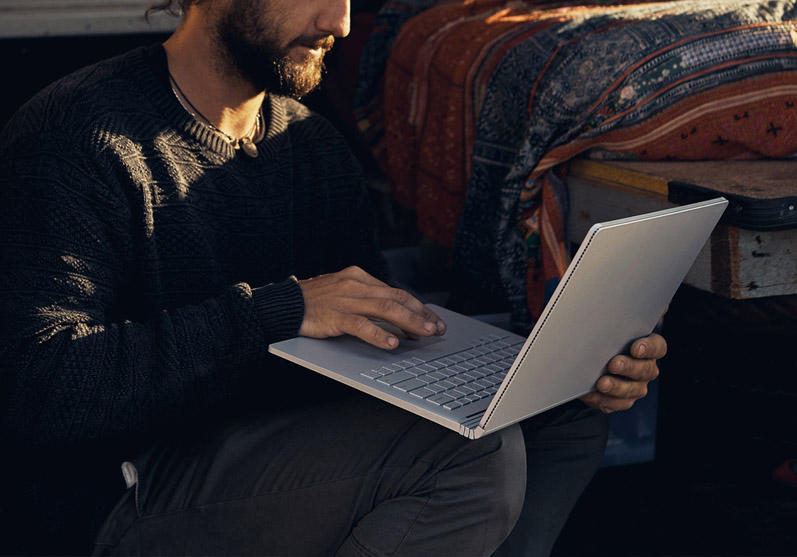
Take things to the next level by creating a travel blog to share your incredible travel adventures.
There are a number of great blog platforms that are free to set up and use, or you may want to create your own domain and possibly turn your travels into a small side business.
Having a blog not only allows your family to stay up to date on your travel experiences through your writings and images, it is also a great way for you to look back on all the destinations you have visited.
A blog is a much less pushy way of sharing your travels with friends and family since they can choose when they wish to see what you’re getting up to.
Creating travel blog articles can also help other travellers that follow your travel blog by providing them with helpful information, advice, and travel inspiration.
Arrange a house sitter
In addition to keeping in touch with family and friends, you may wish to make sure your actual physical home is doing all right as well.
One of the best ways to get updates on your house is to arrange for a house sitter to care for your property while you’re away.
This reduces the chances of your home being burgled or vandalised and a house sitter can help stay on top of things like watering plants, feeding pets, taking out the garbage, and collecting your mail.
Another option for keeping an eye on your house is to install video surveillance cameras that can be monitored via apps. You’ll be able to see what’s going on at your front door or in the kitchen straight from your phone while sipping that latte in Paris.
You can alert authorities if an alarm is triggered or when you notice something suspicious.

Additional tips
The best advice to remember when staying in touch with loved ones back home is to not centre your conversations on your exciting travels.
While it’s forgivable for wanting to share your travel experiences, you don’t want to rub in the fact that you’re enjoying a holiday while your friends and family are back home working. Keep the conversation two-sided and ask how your friend or family member is doing and what they are up to.
Remember to factor in differences in time zones so you don’t end up Facetiming or calling someone at 3AM.
For those you plan to keep in constant contact with, it may be wise to set up a schedule that works for both you and them. This will allow you to both be prepared for a conversation.
It’s always a good idea to let family know that you arrived safely in your chosen destination and to give them an overview of your itinerary in case something should happen.
Because travel can often be unpredictable, don’t set specific times for when you plan to call.
Giving approximate times or days when you plan to call will prevent family and friends from becoming worried should you be slightly delayed in contacting them.
Thailand Holidays: Tips & Advice from Insure&Go
Thailand is one of the most exotic Southeast Asian countries to explore, with thriving cities like Bangkok and Chiang Mai, stunning beaches like Phuket and Ko Samui and amazing natural regions filled with parks and rivers.
It is important that you avoid any unpleasant incidents and remain safe and sound during your Thai travels. To help you make the most of your trip, here are some essential tips:
Gastro & Food Poisoning
Gastro issues can be common in Thailand, especially since hygiene levels aren’t up to standard in many areas. To avoid falling ill:
- Avoid tap water (this includes ice) and stick to bottled water, even when cleaning your teeth
- Steer clear of street vendor food and any food that hasn’t been freshly cooked in front of you
- Common sense is important when choosing a restaurant – opt for places that serve fresh seafood, look clean and are well-maintained.
Scooter Accidents
The sputter of a scooter is a common sound in Thailand and it’s a great way to travel around and see the sights! If you do plan to hire a scooter, you should:
- Wear a helmet while riding your scooter, even if most others or locals aren’t
- Obey road rules and the scooter hire rules at all times
- Don’t leave valuables or belongings with your scooter unless they can be safely locked away (if a theft occurs, you may not be able to make a claim)
- Ensure you have cover for medical, hospital and personal accidents; these may become vital if a collision occurs
- Be aware of what you will need to do if you damage your scooter (excesses for scooters and motorcycles will not be covered by your insurance policy)
Scuba Diving, Snorkelling & Water Activities
At InsureandGo, we provide cover for most water activities. It is essential that you check the terms and conditions for the specific activities you will be participating in while in Thailand to make sure you are covered. Special terms often apply to scuba divers. To keep your insurance valid, you must ensure that:
- You are a qualified scuba diver or you only dive with a certified instructor
- You only dive to depths of up to 30 metres, no more
- You always scuba dive with at least one other person
Theft & Pick-Pocketing
Theft and pick-pocketing can be common in Thailand, so you should be careful with your belongings at all times:
- Keep a close eye on your belongings; even turning your back for a second can leave you open to theft
- At your hotel, lock your valuables away in a safe and don’t just leave them around the room
- When getting around, make sure you carry a bag that is fully closable and that can’t easily be pick-pocketed or snatched off your body; keeping documents and other valuables as close to your body as possible (travel wallet, bum bag) is recommended
- Keep your wits about you; be wary of “diversions” that could distract you from your bags, don’t flash your cash or valuables around and don’t keep your wallet or purse in your pocket where it can easily be swiped out
Respecting Thai Customs
Thailand is tourist-friendly, but there are some customs you should be aware of while travelling:
- Most temples will require both males and females to be covered, so long clothing on both top and bottom will be necessary; women should also avoid touching or giving/taking anything from monks
- Avoid engaging in any offensive or sacrilegious acts in relation to God, Buddha or Thai Royalty, as these can result in imprisonment
- Don’t touch Thai women unless they permit you to do so and avoid touching babies and children in general
- Do not touch any Thais (including children) on the head or hair, as the head is considered noble; if you do this by accident, apologise immediately
- Do not engage in excessive public displays of affection in Thailand
- If a local ‘Wais’ you (bows and presses both hands together at the chest), you should wai them back, unless they are a child
- Try to use your right hand for most actions; this might be tricky for left-handers, but Thais consider the left hand “dirty”, so use your right hand when paying or handing things to someone; you should also avoid pointing, as this is thought of as rude
Ensuring Safety Before You Go
If you plan to travel to Thailand, it is imperative that you pay attention to the news and check Smartraveller on a regular basis to determine whether it is safe to travel. If you travel against government advice, it may mean your travel insurance with InsureandGo will be void.
Pre-Existing Conditions
Medical facilities can be few and far between in Thailand, particularly in remote areas. To ensure you receive the best medical coverage from InsureandGo, you should declare all of your pre-existing medical conditions when you apply for travel insurance with us. This includes any conditions/illnesses you’ve had in the past five years and also any conditions/illnesses you are suffering from currently.
The great news is that InsureandGo will consider all medical conditions. To learn more about pre-existing conditions, simply call us or use our online medical screening questionnaire to determine whether your condition is coverable.
I’m Pregnant – Can I Travel Overseas?
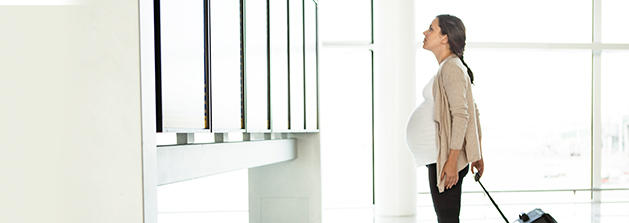
The Better Health Channel advises that travelling and flying is often safest during your second trimester. Generally, travelling while pregnant is fine as long as there are no complications and you have your doctor's approval.
Things to Consider:
- Airlines regulations: Airlines (both domestic and international) will have different policies for pregnant travellers, so you’ll need to check their individual policies before booking your flights. For example, Qantas allows travel up to the end of the 36th week for single pregnancies on flights over 4 hours.
- Vaccinations: It may not be safe for you to travel to certain areas or regions if you cannot be vaccinated. While the influenza vaccine is recommended, many other vaccines may not be safe for pregnant women or their babies.
- Deep Vein Thrombosis (DVT): Long flights can also increase the risk of DVT, a serious condition causing blood clots in the legs. This can be prevented by wearing support stockings and moving around during the flight.
- Age Considerations: If you are over 35 and pregnant for the first time, it may not be advisable to travel or fly, according to the Better Health Channel

Pregnancy & Travel Insurance
Most travel insurance companies provide pregnancy cover for women who wish to travel or fly.
In most cases, you won’t be covered for normal pregnancy or childbirth costs while overseas, but you will be covered for specific complications that arise from your pregnancy or birth.
Complications Covered Can Include:
- Premature delivery
- Gestational diabetes or hypertension
- Pre-eclampsia
- Excessive vomiting diagnosed as hyperemesis
- Birth complications such as placental abruption or emergency caesareans
- Miscarriages or stillbirths
Make sure you check the terms and conditions of your specific policy so that you understand what you are and aren’t covered for in relation to pregnancy and childbirth.
Will you be covered for the full term?
Most travel insurance companies will cover your pregnancy up to 26-28 weeks, while others can provide cover for up to 30 weeks.
There can also be other restrictions on how long you will be covered for depending on:
- Whether your pregnancy is single or multiple (twins, triplets etc.)
- Whether you conceived naturally or engaged the use of reproductive services to conceive
- Whether you have a routine pregnancy or are experiencing complications
- Any pre-existing complications or conditions before purchasing the travel insurance (which need to be declared this upon application as a pre-existing condition)
Did you know?